Are you tired of ants invading your hummingbird feeders and ruining the sweet nectar? You’re not alone.
Those tiny insects can quickly turn your bird-watching moments into a frustrating battle. But what if you could keep ants away without harming the hummingbirds or using harsh chemicals? You’ll discover simple, effective ways to protect your feeders and enjoy watching hummingbirds without the unwanted visitors.
Keep reading to find out how to make your feeders ant-free and keep your feathered friends coming back for more.
Why Ants Invade Feeders
Ants often invade hummingbird feeders in search of food. These tiny insects are drawn to the sweet nectar inside the feeders. Understanding why ants come to feeders helps keep them away and protects the hummingbirds.
Attraction To Sugar Nectar
Hummingbird feeders contain sugar water, which ants find irresistible. The sugary nectar is a perfect energy source for ants. They can detect the sweet smell from far away. Once they find the feeder, ants form trails to gather more nectar.
Common Ant Species Involved
Several ant species frequently invade hummingbird feeders. The most common are:
- Argentine ants
- Pavement ants
- Odorous house ants
These ants are small, fast, and excellent at finding sweet foods. They often live near homes and gardens, making feeders easy targets.
Impact On Hummingbirds
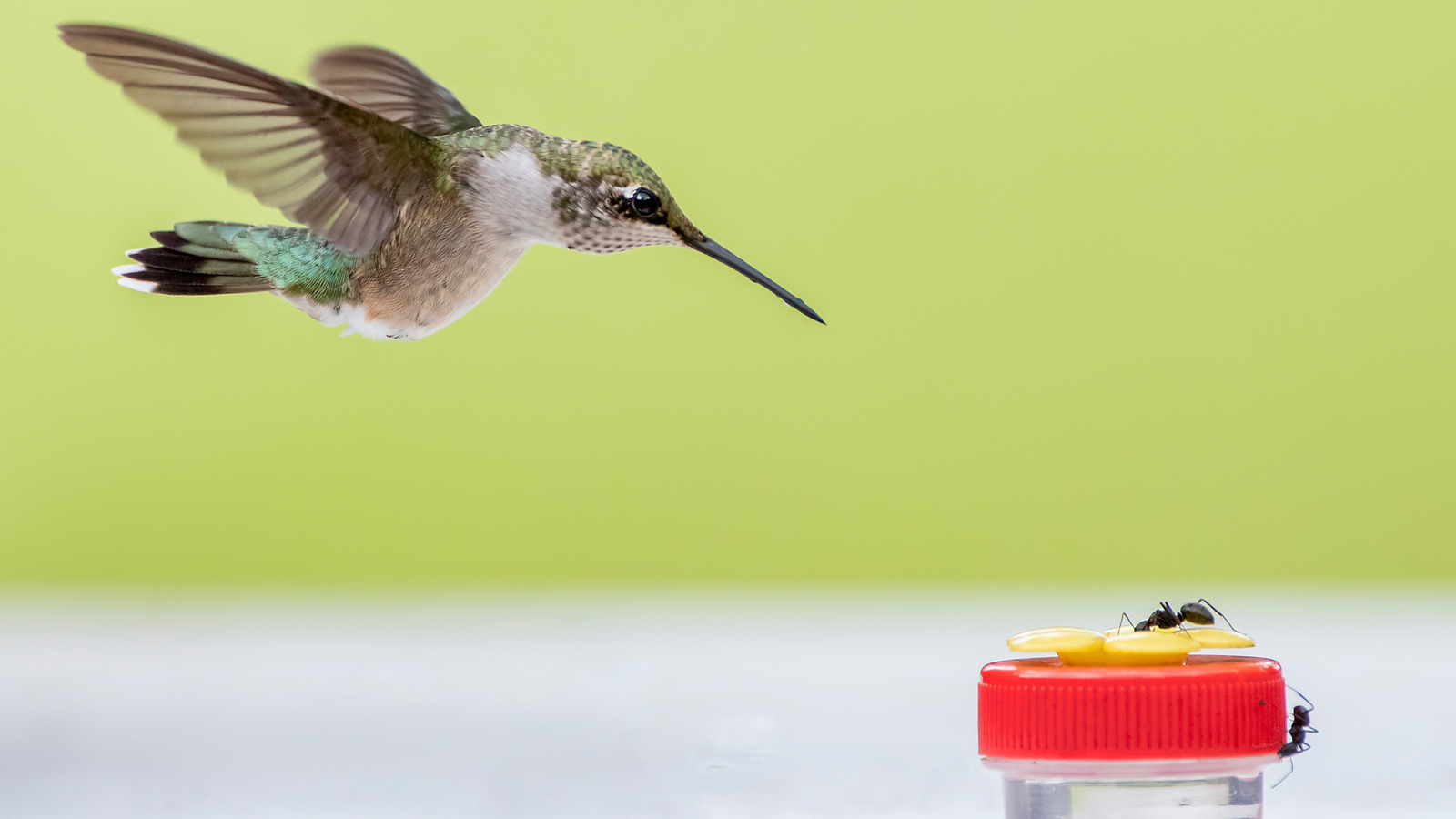
Ants in feeders can harm hummingbirds in many ways. Ants compete with hummingbirds for nectar, reducing their food supply. Some ants bite or sting hummingbirds, causing distress. Ants can also contaminate the nectar, making it unsafe for birds to drink.

Credit: feedmybirds.com
Choosing Ant-resistant Feeders
Choosing ant-resistant feeders helps protect your hummingbird nectar from ants. These feeders come with special features that block ants from reaching the sweet liquid. Picking the right feeder reduces the need for extra traps or messy solutions. This section covers key design traits, materials, and popular models to help you find the best ant-proof feeder.
Design Features To Look For
- Built-in ant moats that hold water or oil to stop ants.
- Ports designed with narrow openings to prevent ant access.
- Feeders elevated or with hanging hooks to keep ants away.
- Sealed or smooth surfaces that ants cannot climb easily.
- Easy-to-clean parts to avoid sticky nectar buildup attracting ants.
Material Considerations
- Plastic feeders are lightweight and often come with ant moats.
- Glass feeders resist staining and are easy to clean.
- Metal parts can be durable but must be rust-resistant.
- Choose materials that do not trap nectar or allow ants to grip.
- Look for feeders with smooth finishes to reduce ant traction.
Popular Ant-proof Models
| Model | Key Feature | Material |
|---|---|---|
| Perky-Pet Ant Moat Feeder | Water moat ring blocks ants | Plastic |
| First Nature Glass Hummingbird Feeder | Glass bottle with small feeding ports | Glass |
| Aspects HummZinger | Built-in ant moat and durable design | Plastic |
| More Birds Ant Guard Feeder | Oil-filled moat stops ants | Plastic/Metal |
Physical Barriers For Ant Control
Physical barriers provide a simple and effective way to keep ants away from hummingbird feeders. These barriers stop ants from reaching the nectar without harming the birds. Using physical barriers helps maintain a clean feeding area and protects the sweet liquid that attracts hummingbirds. Simple tools and smart placement can make a big difference in ant control around feeders.
Using Ant Moats
Ant moats are small containers filled with water that hang above the feeder. They act as a water barrier that ants cannot cross. The moat is placed between the hanger and the feeder, trapping ants before they reach the nectar. Water in the moat needs to be refreshed regularly to keep it effective. This method is safe and does not use chemicals near the feeder.
Applying Sticky Barriers
Sticky barriers are special tapes or gels applied around the hanger or feeder base. They create a sticky surface that ants cannot cross. These barriers need to be checked often and replaced if they lose their stickiness. Sticky barriers work well on smooth surfaces and stop ants from climbing up. Choose non-toxic options that are safe for birds and the environment.
Placement Tips To Avoid Ants
Placing the feeder in the right spot helps reduce ant problems. Avoid placing feeders near trees, bushes, or plants that ants use as bridges. Hanging feeders on a thin wire or pole with no plants nearby limits ant access. Keep the area under the feeder clean and free of spilled nectar to discourage ants. Moving feeders away from ant trails also helps keep ants away.
Credit: www.housedigest.com
Natural Repellents And Deterrents
Natural repellents and deterrents offer a safe way to keep ants away from hummingbird feeders. These options protect the nectar without harming the birds or the environment. Using natural substances also avoids harsh chemicals around your garden.
Essential Oils That Work
Certain essential oils are great at repelling ants. Their strong scents confuse and deter ants from approaching feeders.
- Peppermint oil: Its sharp smell keeps ants at bay.
- Lemon oil: Ants dislike citrus scents.
- Eucalyptus oil: Works as a natural ant repellent.
- Tea tree oil: Its strong aroma deters ants effectively.
Dilute a few drops of these oils in water. Spray the mixture around the feeder base or on ant trails.
Household Ingredients
Common household items also help stop ants naturally. They are easy to find and safe to use near birds.
- Cinnamon: Sprinkle ground cinnamon around the feeder.
- Vinegar: Wipe surfaces near the feeder with vinegar.
- Baking soda: Create a barrier by sprinkling baking soda.
- Chalk: Draw a chalk line to block ant paths.
These ingredients disrupt ants’ scent trails, preventing them from locating feeders.
Safe Application Methods
Apply repellents carefully to protect hummingbirds and plants. Avoid direct contact with nectar and feeder openings.
- Spray diluted essential oils around the feeder base only.
- Use a small brush to apply household powders away from nectar ports.
- Reapply natural repellents after rain or heavy dew.
- Clean feeders regularly to remove sticky residues that attract ants.
Proper use of natural deterrents keeps ants away without harming hummingbirds.
Maintaining Clean Feeders
Maintaining clean hummingbird feeders is one of the most effective ways to keep ants away. Ants are attracted not only by the nectar but also by any leftover residue or spills around the feeder. Keeping your feeders spotless reduces these attractants and helps protect your feathered visitors.
Regular Cleaning Schedule
Set a cleaning routine for your feeders. Rinse and scrub them at least once a week, or more often in hot weather. This prevents mold, fermentation, and sticky buildup that ants love.
Use a mild soap and warm water, and make sure to rinse thoroughly. Leaving even small amounts of nectar residue invites ants and other pests.
Proper Nectar Preparation
Make your nectar fresh and in the right concentration—usually one part sugar to four parts water. Too much sugar makes it sticky and irresistible to ants.
Boil the water before mixing to dissolve sugar completely and kill any unwanted microorganisms. Cool the nectar before filling the feeder to avoid promoting mold growth.
Avoiding Spills And Residue
Check your feeder’s design for any leaks or drips that can spill nectar. Place a tray or saucer beneath the feeder to catch any accidental spills.
Wipe the feeder and surrounding area daily to remove sticky spots. This simple habit can stop ants from discovering a food source near your feeder.
Additional Tips For Ant Prevention
Keeping ants away from hummingbird feeders needs more than just simple barriers. Ants are persistent and find many ways to reach the sweet nectar. These additional tips help protect your feeder and keep ants at bay without harming the hummingbirds.
Using Ant Baits Nearby
Place ant baits close to the feeder area. These baits attract ants and carry poison back to their colony. This reduces the ant population near your feeder. Choose baits safe for pets and wildlife. Avoid placing baits too close to the feeder to prevent harm to hummingbirds.
Managing Surrounding Vegetation
Trim plants and weeds around the feeder regularly. Overgrown vegetation gives ants a bridge to the feeder. Clearing leaves and branches stops ants from climbing up. Keep the area dry and clean to reduce ant trails. A tidy space makes it harder for ants to find food.
Monitoring And Early Detection
Check the feeder daily for ant activity. Early spotting helps stop infestations before they grow. Look for ant trails and nests nearby. Clean the feeder often to remove spilled nectar. Quick action keeps ants from settling in and ruining the feeder experience.

Credit: www.yahoo.com
Frequently Asked Questions
How Can I Prevent Ants From Reaching Hummingbird Feeders?
Use ant moats filled with water to block ant access. Regularly clean feeders and avoid spills of sugary nectar around them.
What Homemade Solutions Keep Ants Away From Feeders?
Applying petroleum jelly on feeder poles creates a slippery barrier. You can also use a mixture of water and vinegar to clean the area.
Are Ant-proof Hummingbird Feeders Effective?
Yes, feeders with built-in ant guards or moats are highly effective. They prevent ants from climbing and protect the nectar inside.
Does Feeder Placement Impact Ant Infestation?
Placing feeders away from trees and plants reduces ant trails. Hanging feeders with smooth, tall poles also limits ant access.
Conclusion
Keeping ants away from hummingbird feeders can be simple. Use barriers like water moats or sticky substances. Regularly clean feeders to deter ants. Check for leaks and fix them promptly. Hang feeders strategically, avoiding ant paths. Consider natural deterrents like mint or cinnamon.
These steps help create a safe feeding environment. Hummingbirds will enjoy their sweet nectar, ant-free. Consistent care ensures success. Enjoy watching these beautiful birds without interruption. Always be proactive with your feeder maintenance. Happy birdwatching!