
Are you tired of finding unwanted surprises on your sofa or favorite chair? Dealing with a cat that pees on furniture can be frustrating and perplexing.
You're not alone in this. Many cat owners face the same challenge, and the good news is that there are effective solutions. Imagine a home where your furniture stays pristine, and your cat is happy and stress-free. Sounds good, right?
You'll discover simple strategies to redirect your cat's behavior and protect your furniture. Keep reading to learn how you can transform your living space back into a pee-free zone. Let's dive into the solutions that will make your life easier and your home more harmonious.
Why Cats Pee On Furniture
Cats peeing on furniture is a common issue that frustrates many pet owners. Understanding why cats do this helps to address the problem effectively. Several factors can cause this behavior, ranging from health issues to changes in their environment. Knowing the root cause guides you toward the right solution.
Medical Causes
Health problems often lead cats to urinate outside their litter box. Urinary tract infections cause pain and urgency, making cats avoid their box. Kidney disease and bladder stones also affect their bathroom habits. A vet visit is essential to rule out medical issues. Treating health problems can stop unwanted urination.
Behavioral Reasons
Stress and anxiety often make cats pee on furniture. Changes like moving or new pets can upset them. Some cats mark territory by spraying urine. Litter box dislike also causes accidents; it might be dirty or in a noisy place. Understanding your cat’s behavior helps to reduce stress and improve habits.
Environmental Factors
Environment plays a big role in cat urination habits. A dirty or hard-to-reach litter box discourages use. Loud noises or other pets near the box can scare cats away. Limited access to litter boxes in multi-cat homes causes problems. Keeping a clean, quiet, and accessible place encourages proper use.
Credit: www.feliway.co.uk
Identifying The Source Of The Problem
When your cat starts peeing on furniture, it’s important to find out why before trying to stop the behavior. Identifying the source of the problem helps you address the root cause, making your efforts more effective. Let’s look at key areas you should check to understand what might be triggering your cat’s unwanted urination.
Checking For Illness
Health issues like urinary tract infections or bladder problems often cause cats to pee outside their litter box. If your cat suddenly starts urinating on furniture, a vet visit should be your first step.
Keep an eye on other signs like frequent urination, blood in urine, or discomfort while peeing. These symptoms can confirm if illness is behind the behavior, saving you time and frustration.
Observing Cat Behavior
Watch how your cat acts around the house and the litter box. Is your cat anxious, stressed, or avoiding the litter box? Stress from new pets, changes in routine, or loud noises can push cats to mark territory.
Try to notice if your cat spends more time hiding or if there are moments of aggression or restlessness. Understanding these patterns can help you create a calmer environment that encourages proper bathroom habits.
Assessing Litter Box Setup
Sometimes the litter box itself causes the problem. Cats can be picky about the type of litter, box cleanliness, or location.
Check if the box is cleaned daily and placed in a quiet, accessible spot. Consider if the box is large enough and if the litter type suits your cat’s preference. Small changes here can make a big difference in stopping furniture accidents.
Effective Cleaning Techniques
Effective cleaning is crucial to stop your cat from peeing on furniture again. If the smell lingers, your cat will likely return to the same spot. Using the right cleaning techniques can break this cycle and keep your home fresh.
Removing Odors Completely
Simply wiping the surface won't cut it. Cat urine contains strong compounds that soak deep into fabrics and wood. You need to get rid of every trace of odor to prevent your cat from marking the spot again.
Start by blotting up any fresh urine with paper towels—press firmly to absorb as much as possible. Avoid rubbing, which can spread the stain further.
After blotting, use enzymatic cleaners specifically designed for pet urine. These cleaners break down urine molecules at a chemical level, eliminating odors rather than just masking them. Regular household cleaners often fail here, leaving behind scents invisible to humans but clear to cats.
Consider placing a fan nearby or opening windows to speed up drying. A damp surface can attract your cat back, so make sure the area is thoroughly dry.
Safe Cleaning Products
Many cleaning products contain harsh chemicals that can harm your cat or damage your furniture. Choosing safe, pet-friendly options protects your furry friend and your belongings.
Look for products labeled non-toxic and safe for pets. Natural ingredients like baking soda, white vinegar, and hydrogen peroxide can be effective and gentle alternatives. For example, a mixture of equal parts water and white vinegar can neutralize odors and disinfect surfaces.
Test any cleaner on a small, hidden area of your furniture first to ensure it doesn't cause discoloration or damage. Your furniture deserves care just as much as your cat does.
Have you ever tried a cleaning product only to find the smell returns? It might be time to switch to an enzymatic cleaner and see the difference yourself.
Improving Litter Box Appeal
Improving the litter box appeal helps stop cats from peeing on furniture. Cats need a clean, comfortable place to do their business. A well-maintained litter box attracts cats and reduces accidents. Focus on three main areas to improve appeal: the type of litter, box location, and cleanliness.
Choosing The Right Litter
Cats prefer litter that feels soft on their paws. Unscented, clumping litter often works best. Avoid strong smells that can repel cats. Try different types to find what your cat likes.
Litter Box Placement
Place the litter box in a quiet, low-traffic area. Avoid noisy or busy spots that scare cats. Keep the box away from their food and water bowls. A private, calm location encourages use.
Maintaining Cleanliness
Clean the litter box daily to remove waste. Scoop clumps and solid waste at least once a day. Change the litter fully at least once a week. Wash the box with mild soap and water regularly.
Behavioral Training Tips
Changing a cat’s behavior takes time and patience. Behavioral training helps guide cats to stop peeing on furniture. It involves teaching your cat good habits and reinforcing positive actions. Understanding your cat’s needs and reactions is key to success.
Positive Reinforcement
Reward your cat for using the litter box. Praise your cat with soft words or gentle pets. Offer small treats immediately after good behavior. This helps your cat connect the action with a reward. Avoid punishment, as it can cause fear and confusion. Positive reinforcement builds trust and encourages repeat behavior.
Redirecting To Appropriate Areas
Place your cat gently in the litter box after meals or naps. Move your cat away from furniture if it starts to pee there. Use toys and playtime near the litter box to create a positive space. Keep the litter box clean and easy to reach. Try different types of litter to find your cat’s favorite. Redirecting helps your cat learn where it should go.

Credit: www.amazon.com
Using Deterrents And Repellents
Using deterrents and repellents is a practical way to keep your cat from peeing on furniture. These tools change the environment to make certain spots less appealing for your cat. They don’t just protect your belongings; they help retrain your cat’s behavior by creating clear boundaries.
Commercial Repellents
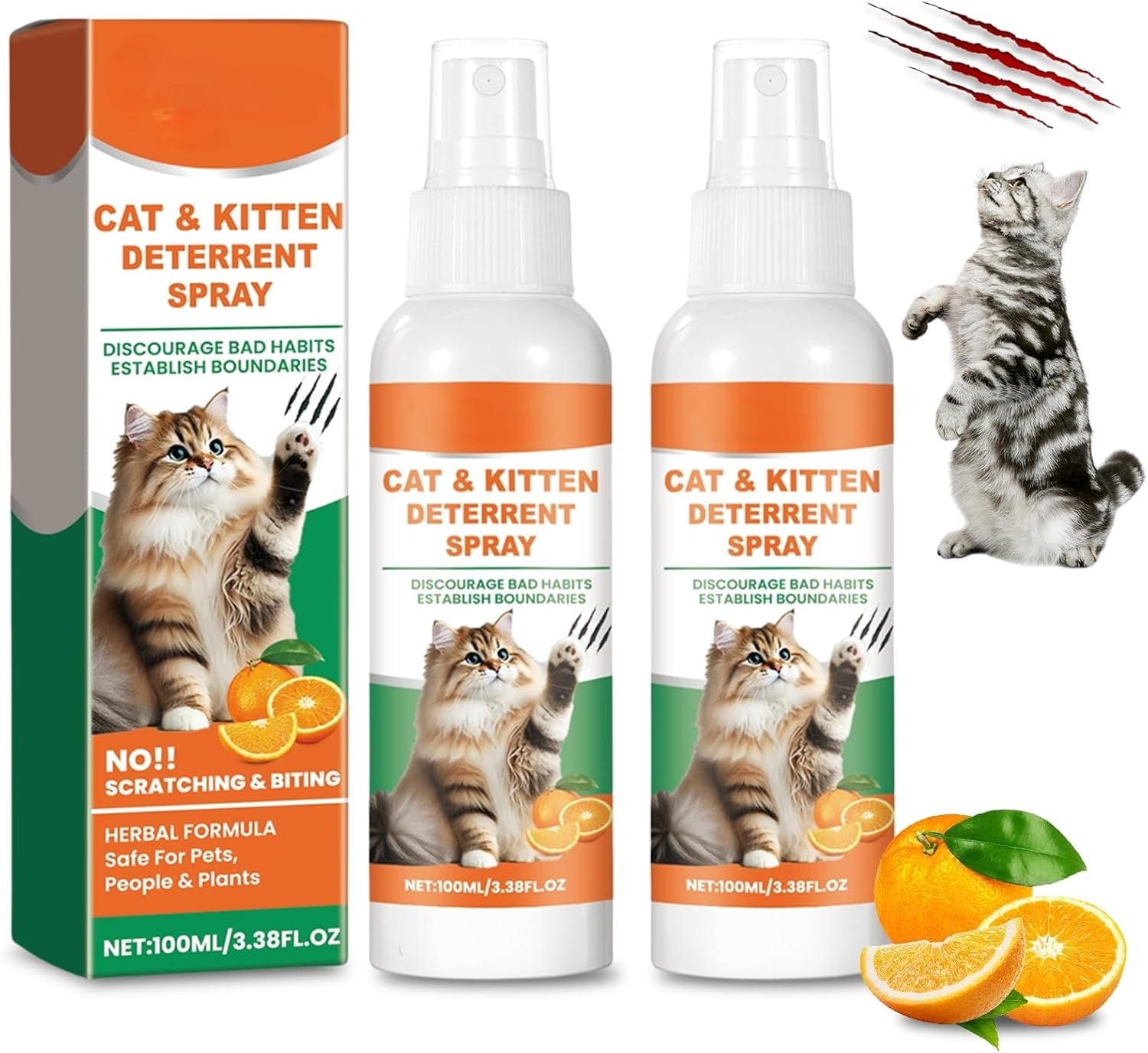
Commercial repellents are designed specifically to discourage cats from marking areas. You can find sprays that use scents cats dislike, such as citrus or bitter apple. These sprays are easy to apply on furniture and cushions, creating an unpleasant smell that keeps cats away.
Some repellents come in plug-in devices that emit ultrasonic sounds only cats can hear. I tried one in my living room, and my cat stopped jumping on the sofa within days. Have you noticed your cat avoiding certain areas after using these products?
When using commercial repellents, follow the instructions carefully. Reapply after cleaning or after a few days to maintain effectiveness. Remember, these repellents work best when combined with other training methods.
Natural Deterrents
If you prefer a chemical-free approach, natural deterrents can be just as effective. Cats generally dislike the smell of vinegar, lavender, and eucalyptus. You can create a homemade spray by mixing water with a few drops of these essential oils.
Placing cotton balls soaked in these scents near the furniture worked well for me. My cat avoided the area, and the furniture stayed clean. Would you be comfortable using essential oils around your cat? Always ensure the oils you choose are safe for pets.
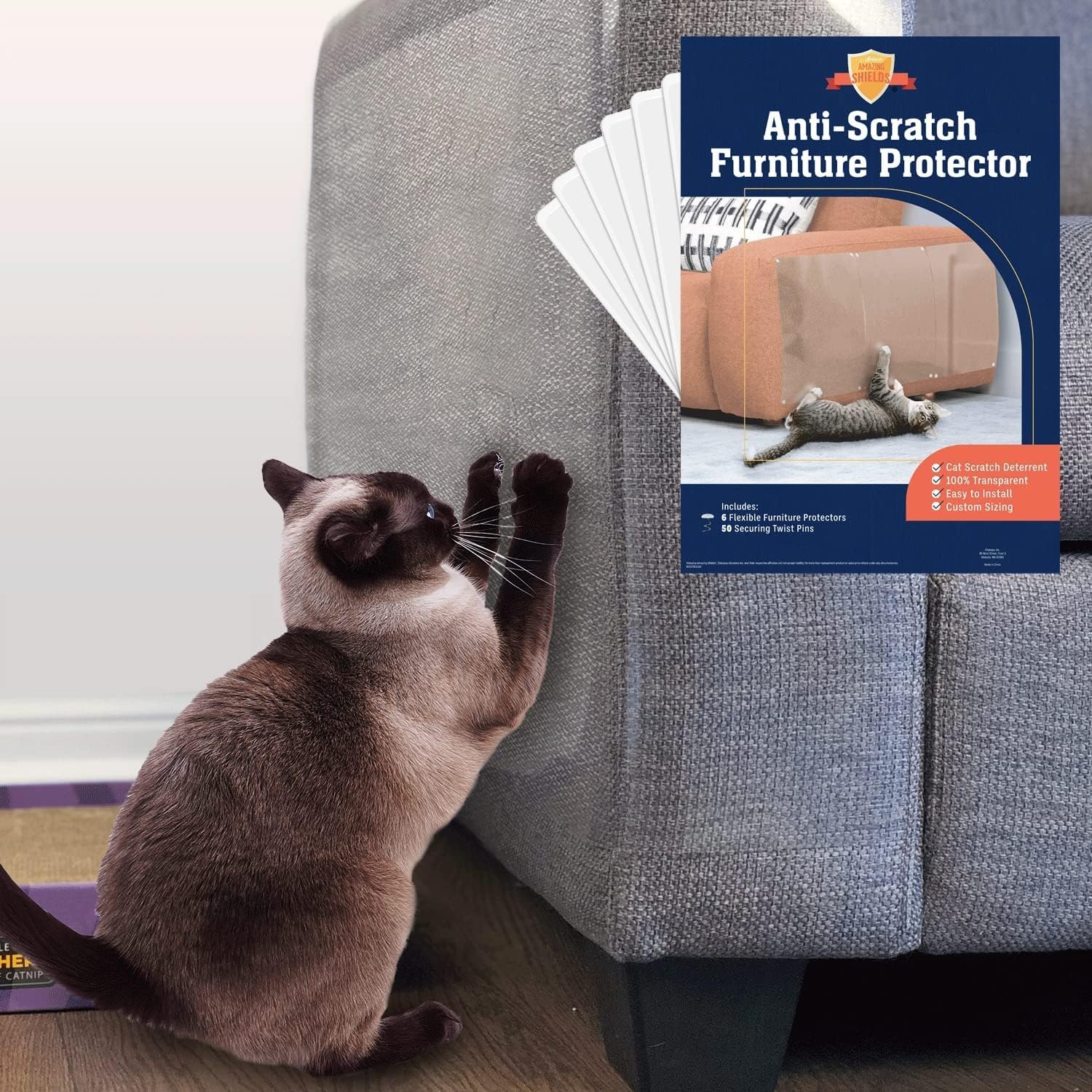
Another natural option is to use textures cats dislike, like aluminum foil or double-sided tape on furniture edges. These make the surface unpleasant to touch and help discourage your cat from jumping or peeing there. Have you considered how texture changes might influence your cat’s behavior?
When To Consult A Veterinarian
Knowing when to consult a veterinarian is key to stopping your cat from peeing on furniture. Sometimes, the issue is more than just bad behavior. It could be a sign of health problems or stress. Acting early helps your cat feel better and protects your home.
Recognizing Health Issues
Cats may urinate outside the litter box due to illness. Common problems include urinary tract infections, bladder stones, or kidney issues. Watch for signs like:
- Frequent urination or straining
- Blood in urine
- Excessive licking of the genital area
- Changes in appetite or energy
If you notice any of these, a vet visit is important. Early diagnosis can prevent serious complications. Your vet can run tests and suggest treatment to stop the problem.
Professional Behavioral Help
Some cats pee on furniture because of stress or anxiety. A vet can help identify triggers like changes in the home or conflicts with other pets. They may recommend behavior therapy or environmental changes.
Sometimes, medication can help calm your cat. A professional can also guide you on litter box management and cleaning tips. Getting expert advice ensures you address the root cause, not just the symptoms.

Credit: www.reddit.com
Frequently Asked Questions
Why Do Cats Pee On Furniture Instead Of Litter Boxes?
Cats may avoid litter boxes due to stress, dirty boxes, or health issues. They prefer clean, quiet places. Medical problems like urinary tract infections can also cause this behavior. Understanding the root cause helps in resolving the issue effectively.
How Can I Clean Furniture After Cat Urine?
Use enzymatic cleaners specifically designed for pet urine. These break down odor-causing molecules. Avoid ammonia-based cleaners as they can attract cats back. Thorough cleaning removes stains and discourages repeat marking on the same spot.
What Litter Box Changes Stop Cats From Peeing Outside?
Keep litter boxes clean and odor-free by scooping daily. Use unscented, clumping litter and place boxes in quiet, accessible areas. Provide one more box than the number of cats. Regularly changing litter type may also help if cats dislike it.
Can Stress Cause Cats To Urinate On Furniture?
Yes, stress from changes or new pets can trigger inappropriate urination. Reducing stress with calming sprays, pheromones, and routine can help. Creating a safe environment and giving attention reduces anxiety-induced marking.
Conclusion
Stopping cats from peeing on furniture takes patience and care. Clean the spots well to remove smells. Give your cat a clean litter box and put it in a quiet place. Watch your cat’s behavior to catch problems early. Use safe sprays to keep cats away from furniture.
Remember, cats need love and comfort. Small changes can make a big difference. Keep trying, and you will see good results soon. Your home will stay clean, and your cat will be happy.