Imagine walking into your home after a long day, only to be greeted by an unmistakable, lingering odor that instantly dampens your mood. Cat urine smell is a notorious invader, stubbornly clinging to every surface it touches.
If you're nodding your head in frustration, you're not alone. But don't worry, you're about to discover practical solutions that work. In this guide, we'll unravel the mystery of cat urine odor, offering you effective tips and tricks to restore your home's fresh and inviting atmosphere.
Get ready to reclaim your sanctuary with methods that are not only easy to follow but also proven to banish that persistent smell for good. Read on, because relief is just a few scrolls away.

Credit: www.reddit.com
Causes Of Cat Urine Odor
Understanding the causes of cat urine odor is key to tackling the smell effectively. Cat urine contains specific compounds that create a strong, lingering scent. Identifying why it smells so strong and where it usually collects can help you target your cleaning efforts and prevent future problems.
Why Cat Urine Smells Strong
Cat urine has a high concentration of ammonia and proteins, which produce a sharp, pungent odor. The smell intensifies as the urine dries and breaks down over time. You might notice the odor gets worse if your cat’s urine contains more concentrated waste, often linked to dehydration or health issues.
Have you ever wondered why some cat urine smells almost unbearable while other times it’s less noticeable? This difference often comes down to diet and health. Cats eating a high-protein diet or those with urinary tract infections tend to produce stronger-smelling urine.
Common Areas Affected
Cat urine smell usually lingers in spots where your cat feels comfortable marking or relieving themselves. Common areas include:
- Carpets and rugs
- Upholstered furniture
- Mattresses and bedding
- Cracks in hardwood floors
- Baseboards and corners of rooms
Sometimes, the smell hides in places you wouldn’t expect, like inside cushions or under appliances. Have you checked these hidden spots when trying to get rid of the odor? Missing these areas can make the smell return even after cleaning.

Credit: smart.dhgate.com
Immediate Actions After An Accident
Acting fast is key to removing cat urine smell. The longer urine sits, the harder it is to clean. Immediate steps stop the smell from soaking deep into carpets or furniture. Quick action also helps prevent your cat from marking the same spot again. Knowing what to do right after an accident makes a big difference in keeping your home fresh.
Blotting And Cleaning Fresh Urine
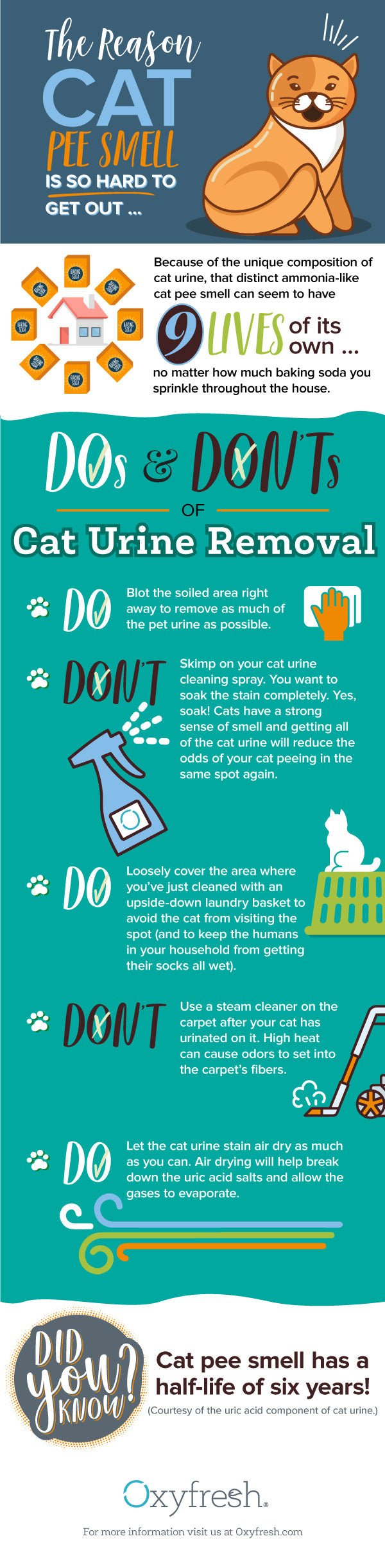
Start by blotting the urine with paper towels or a clean cloth. Press gently to soak up as much liquid as possible. Avoid rubbing. Rubbing spreads urine and pushes it deeper into fibers. Use plain cold water to dampen the area. This helps dilute the urine before applying cleaners. After blotting, use an enzymatic cleaner made for pet urine. These cleaners break down urine molecules and stop odors at the source. Follow product instructions carefully. Let the cleaner sit for the recommended time, then blot again to remove excess moisture.
Avoiding Common Cleaning Mistakes
Do not use ammonia-based cleaners. Ammonia smells like urine to cats and can cause repeat marking. Avoid steam cleaners or hot water. Heat can set urine stains and odors permanently. Do not cover the smell with air fresheners. They mask odors but do not remove them. Always test cleaners on a small hidden area to avoid damage. Using the right cleaner and method prevents stains and odors from returning.
Effective Cleaning Solutions
Removing cat urine smell from your house needs the right cleaning solutions. Ordinary cleaners often fail to break down the odor-causing molecules. Effective cleaning targets both the stain and the smell deeply. This section shares cleaning options that work well.
Enzymatic Cleaners That Work
Enzymatic cleaners use natural enzymes to eat away urine proteins. They stop the smell at its source. These cleaners are safe for pets and children. Use them on carpets, floors, and furniture.
- Apply the cleaner directly to the urine spot.
- Let it sit for 10-15 minutes for best results.
- Blot the area gently with a clean cloth.
- Repeat if the smell lingers.
Look for products labeled for pet urine. Avoid harsh chemicals that can irritate noses and skin. Enzymatic cleaners restore freshness without harmful residues.
Diy Natural Remedies
Natural remedies work well for mild odors and freshening. These options use common household ingredients.
- White Vinegar:Mix one part vinegar with one part water. Spray on the stain and blot dry.
- Baking Soda:Sprinkle on dry spots. Let sit for hours, then vacuum.
- Hydrogen Peroxide:Mix 3% peroxide with a few drops of dish soap. Apply carefully to avoid bleaching.
These remedies are affordable and safe. Test on a small area first to check fabric color. Repeat treatments may be needed for strong smells.
Credit: www.familyhandyman.com
Deep Cleaning Techniques
Deep cleaning is key to removing cat urine smells from your home. It reaches areas where surface cleaning cannot. This process removes odors trapped in fibers and tiny cracks. Using the right tools and cleaners makes a big difference. Thorough cleaning also prevents cats from returning to the same spot.
Carpet And Upholstery Care
Start by blotting any wet urine with paper towels. Avoid rubbing, as it spreads the stain. Use an enzyme-based cleaner to break down urine molecules. Spray the cleaner generously on the affected area. Let it sit for 10 to 15 minutes for best results.
After soaking, blot the area again to absorb moisture. Use a wet/dry vacuum for deeper suction. Allow carpets and upholstery to dry completely before using the room. Repeat the process if the smell persists. Steam cleaning can also help remove deep odors.
Cleaning Hard Floors
Wipe up any fresh urine immediately with paper towels. Use a mixture of warm water and mild detergent for initial cleaning. Mop the floor thoroughly to remove surface stains and smells. Apply an enzyme cleaner designed for hard floors. Let the cleaner sit according to product instructions.
Rinse the floor with clean water after treatment. Dry the floor with a clean cloth or air dry. For tough odors, repeat the enzyme cleaner application. Avoid ammonia-based cleaners as they may worsen the smell. Regular cleaning keeps floors fresh and odor-free.
Preventing Future Accidents
Stopping cat urine smell starts with preventing new accidents. Cats often urinate outside their litter box due to stress, health issues, or poor litter box conditions. Creating a clean, comfortable space encourages your cat to use the litter box consistently.
Understanding your cat’s behavior helps to reduce accidents. Sometimes, simple changes in the environment or routine can make a big difference. Paying attention to your cat’s needs improves both your home’s smell and your cat’s happiness.
Litter Box Maintenance Tips
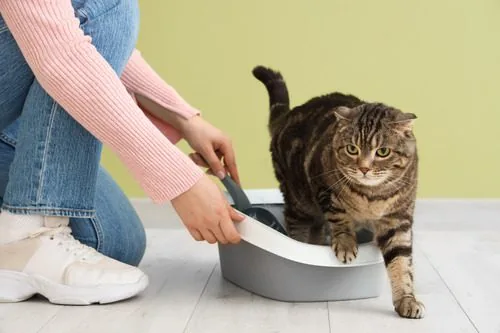
- Clean the litter box daily to remove waste and odors.
- Use unscented, clumping litter to attract your cat.
- Place litter boxes in quiet, accessible areas of the house.
- Provide one litter box per cat, plus one extra if possible.
- Wash the litter box with mild soap weekly to prevent buildup.
- Replace old litter completely every one to two weeks.
- Check the box size; bigger boxes offer more comfort for cats.
Behavioral Solutions For Cats
- Spend time playing with your cat to reduce anxiety and stress.
- Keep a regular feeding and cleaning schedule for stability.
- Use pheromone diffusers to create a calm environment.
- Consult a vet to rule out medical issues causing accidents.
- Limit access to areas where your cat often urinates outside the box.
- Reward your cat with treats when it uses the litter box.
- Consider training tools like clicker training to reinforce good habits.
When To Seek Professional Help
Sometimes, despite your best efforts, cat urine odors refuse to leave your home. This is the moment to consider professional help. Knowing when to call an expert can save your time, reduce frustration, and protect your living space from lingering smells.
Persistent Odors
If you've cleaned the affected area multiple times and the smell still lingers, it’s a clear sign the odor has settled deep into carpets, walls, or furniture. DIY solutions often tackle surface stains but can miss urine that has soaked into subflooring or upholstery. Have you noticed the smell returning hours or days after cleaning? This persistence means you might need professionals who can identify hidden problem spots and treat them thoroughly.
Specialized Cleaning Services
Professional cleaners use specialized equipment and products designed to break down urine molecules rather than just mask the odor. They have access to industrial-grade enzyme cleaners and ozone treatments that are not available to consumers. Additionally, experts can recommend repairs or replacements if the damage is extensive, such as removing and replacing carpet padding or sealing subfloors. Would investing in professional help now prevent bigger, costlier problems later?
Frequently Asked Questions
How Can I Naturally Remove Cat Urine Smell?
Use a mixture of white vinegar and water to neutralize the odor. Baking soda can absorb lingering smells. These natural remedies are safe and effective for most surfaces and fabrics.
What Products Work Best For Cat Urine Odor?
Enzymatic cleaners specifically designed for pet urine break down odor-causing molecules. Look for products labeled for pet urine removal for the best results.
How Do I Prevent Cat Urine Smell From Returning?
Clean accidents immediately with enzymatic cleaners. Provide a clean litter box and reduce stress to discourage repeat marking behavior. Regular cleaning helps keep odors away.
Can Homemade Solutions Remove Cat Urine Smell Effectively?
Yes, homemade solutions with vinegar, baking soda, and hydrogen peroxide are effective. They neutralize urine odor without harsh chemicals, making them safe for pets and kids.
Conclusion
Removing cat urine smell takes time and patience. Clean the area well using enzyme cleaners. Avoid harsh chemicals that may worsen the odor. Keep your cat’s litter box clean and fresh. Check for hidden spots where urine may hide. Fresh air and sunlight help reduce smells too.
Repeat cleaning if the smell lingers longer. Small steps make a big difference in your home. A fresh, odor-free house feels welcoming again. You can keep your home smelling clean and fresh.