You love your feline friend, but let's face it, sometimes your house smells more like a litter box than a home. That unmistakable cat odor can cling to your furniture, carpets, and even your clothes, making guests wrinkle their noses and you feel embarrassed.
But don’t worry; you’re not alone, and there are solutions that really work. Imagine walking into your home and breathing in a fresh, clean scent instead. Sounds good, right? You'll discover practical, effective strategies to eliminate that stubborn cat smell for good.
You're about to learn how to reclaim your space and enjoy a home that smells as welcoming as it looks. Ready to say goodbye to those pesky odors? Let’s dive in!
Credit: www.servpro.com
Sources Of Cat Odor
Cat odor can linger in a home for many reasons. Understanding where the smell comes from helps in removing it effectively. Cats produce odors from different parts of their daily life. These sources include their litter box, urine marking, fur, and hidden spots around the house.
Litter Box Issues
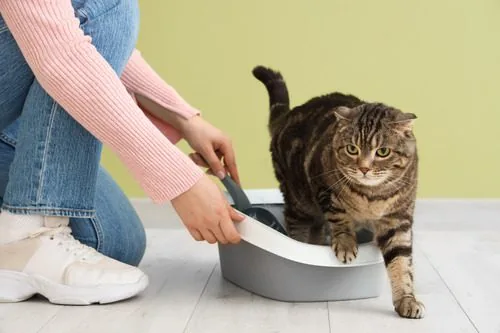
The litter box is the most common source of cat odor. Poor cleaning habits make smells build up quickly. Old litter traps urine and feces odors. Using clumping litter and scooping daily reduces the smell. Placing the litter box in a well-ventilated area also helps.
Cat Urine And Marking
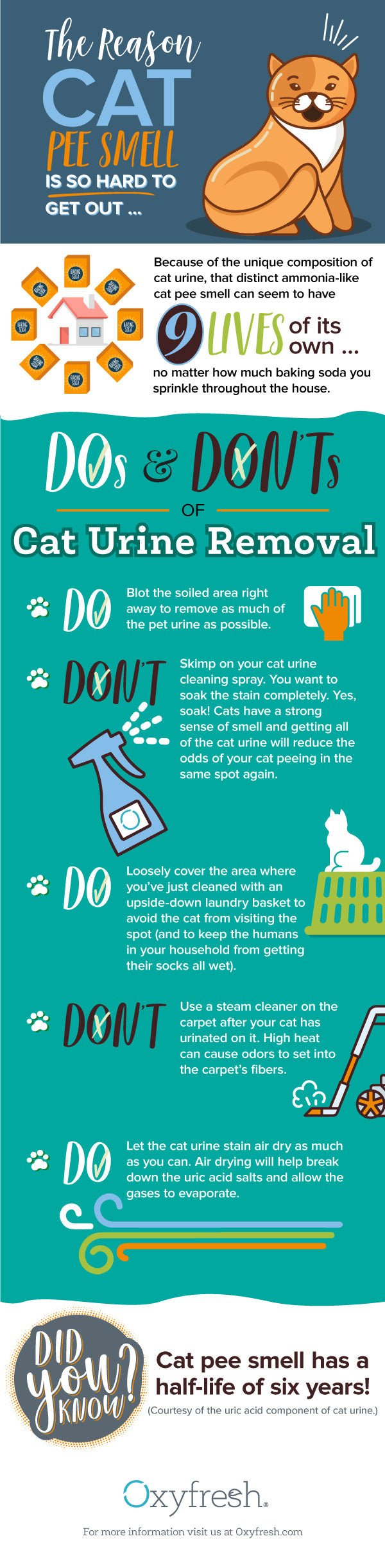
Cat urine has a strong, sharp smell that stays long. Cats mark territory by spraying urine on walls or furniture. This marking can create hidden odor zones. Cleaning these spots with enzyme-based cleaners breaks down the smell molecules. Ignoring urine stains lets the smell grow stronger over time.
Fur And Dander
Cat fur and dander hold onto odors from the environment. Dander can collect dust, dirt, and skin oils. This mix causes a faint but constant smell in the house. Regular grooming and vacuuming reduce the amount of fur and dander indoors. Air purifiers can help clear airborne particles too.
Hidden Spots
Cats often hide in small, dark places. These spots collect fur, dirt, and sometimes urine. Under furniture, behind appliances, or inside closets are common hiding places. Odors build here because these areas are rarely cleaned. Checking and cleaning these hidden spots remove trapped smells.
Immediate Cleaning Steps
Getting rid of cat smell quickly requires action the moment you notice it. Immediate cleaning steps target the source directly, stopping the odor from settling deep into your home. These steps are practical and can make a significant difference right away.
Remove Soiled Materials
Start by identifying anything your cat has soiled, such as carpets, cushions, or bedding. Remove these items from your living space immediately to prevent the smell from spreading. If something can be washed, do it with hot water and a pet-safe detergent to break down odor-causing residues.
Think about the last time you ignored a small stain—did the smell go away on its own? It rarely does. Taking out soiled materials right away stops odor from embedding deeper into fabrics and floors.
Ventilate The Space
Open windows and doors to let fresh air circulate through your home. Good airflow helps push out lingering smells and brings in clean air. You can also use fans to speed up the process, especially in rooms where the odor feels strongest.
Have you noticed how quickly a room feels fresher after a few minutes of fresh air? Ventilation is a simple but powerful step that works best when combined with cleaning.
Use Enzymatic Cleaners
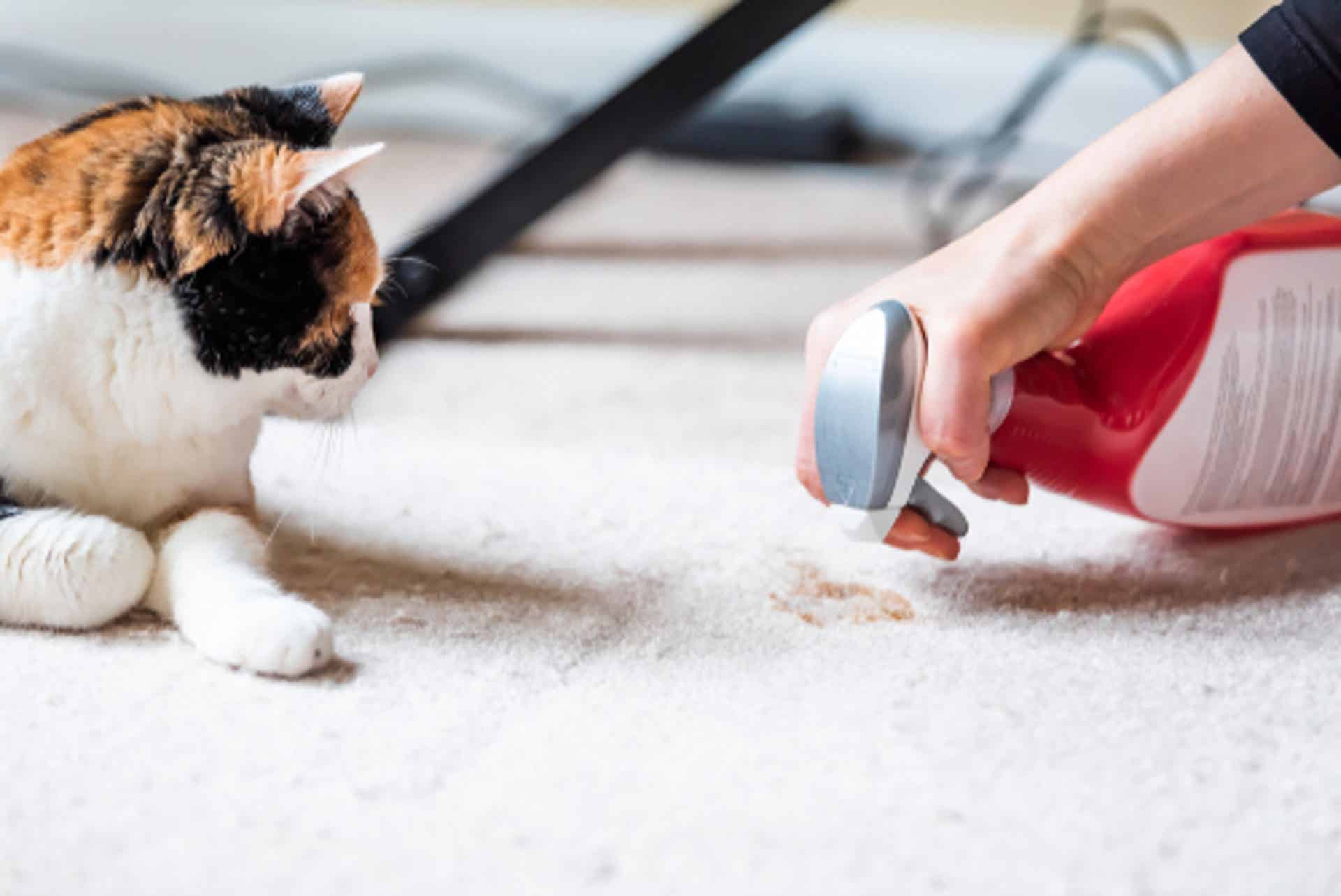
Enzymatic cleaners are designed to break down the proteins in cat urine that cause odors. Unlike regular cleaning products, these cleaners target the source at a molecular level, eliminating the smell rather than masking it. Apply these cleaners generously on affected areas and follow the instructions for the best results.
If you’ve tried regular sprays with no success, enzymatic cleaners might surprise you. They work by breaking down the odor-causing substances, which means the smell won’t come back once treated properly.
Deep Cleaning Techniques
Getting rid of cat smell in your house requires more than just surface cleaning. Deep cleaning techniques target the sources of odor embedded in fabrics, carpets, and floors. These methods help eliminate lingering smells and refresh your living space effectively.
Wash Fabrics And Linens
Fabrics like curtains, cushions, and pet bedding trap odors quickly. Washing them regularly with a strong detergent can remove the smell at its source. Adding a cup of white vinegar to the wash cycle neutralizes odors without leaving a residue.
Don’t forget to check the washing instructions on delicate items. If washing isn’t an option, consider using a fabric refresher spray designed to break down odors. How often do you refresh your soft furnishings to keep the air fresh?
Clean Carpets And Upholstery
Carpets and upholstered furniture absorb cat odors deeply. Using a steam cleaner can penetrate carpet fibers and kill bacteria causing the smell. If you don’t have one, sprinkle baking soda liberally, let it sit for several hours, then vacuum thoroughly.
For stubborn smells, enzyme-based cleaners work wonders by breaking down the organic matter. Focus on areas where your cat spends the most time or has had accidents. How thoroughly are you treating these high-traffic spots?
Treat Hard Floors And Surfaces
Hard floors like tile, wood, and laminate can also hold odors in cracks and grout lines. Mop these surfaces with a mixture of warm water and a few drops of essential oils like tea tree or eucalyptus for a fresh scent. Avoid harsh chemicals that might damage your flooring.
Wipe down baseboards, corners, and under furniture where odors can hide unnoticed. Using a vacuum with a HEPA filter before mopping can remove hair and dust that contribute to the smell. Are you giving your hard floors the attention they deserve in your cleaning routine?

Credit: www.safe-dry.com
Preventing Future Odors
Preventing future cat odors is key to keeping your home fresh and inviting. It’s not just about cleaning up after the smell appears—it’s about stopping it before it starts. Small daily habits can make a huge difference in maintaining a pleasant environment for both you and your feline friend.
Regular Litter Box Maintenance
Cleaning the litter box daily is the simplest way to prevent odors from spreading. Scoop out waste at least once a day and change the litter completely every week.
Choose unscented, clumping litter to trap moisture and odor effectively. Avoid letting the box sit dirty, as bacteria build-up causes stronger smells over time.
Proper Grooming Habits
Regular grooming helps reduce the amount of loose fur and dander that can trap odors in your home. Brushing your cat a few times a week keeps their coat clean and healthy.
Bathing your cat occasionally, if they tolerate it, can also help manage any lingering smells. Don’t forget to check and clean their ears and paws, where dirt and oils tend to collect.
Using Air Purifiers
Air purifiers with HEPA filters can trap pet dander and airborne particles that contribute to odors. Place one in rooms where your cat spends the most time.
Consider models with activated carbon filters to absorb smells at the source. Do you notice a big difference in air quality after using an air purifier around your pet’s area?
Natural Remedies For Odor Control
Dealing with cat smell in your house doesn’t always require harsh chemicals. Natural remedies offer gentle, effective ways to control odors without risking your pet’s health or your home’s air quality. These solutions often use ingredients you already have, making them budget-friendly and easy to try right away.
Baking Soda Applications
Baking soda is a powerful odor absorber. Sprinkle it on carpets, furniture, or in your cat’s litter box to neutralize smells naturally.
Let it sit for at least 15 minutes, or overnight for stronger odors, then vacuum thoroughly. You might be surprised how much fresher your rooms feel afterward.
Have you ever noticed how baking soda can transform musty spaces? It’s that simple—no chemicals needed.
Vinegar Solutions
White vinegar breaks down odor-causing molecules and disinfects surfaces. Mix equal parts water and vinegar in a spray bottle for a safe, natural cleaner.
Spray areas where your cat spends time, like floors or litter box surroundings, then wipe clean. The vinegar smell disappears quickly, leaving freshness behind.
Wondering if vinegar might irritate your cat? Use it sparingly and avoid direct contact with your pet’s skin.
Essential Oils Safety
Essential oils can mask cat odors but must be used with caution. Some oils, like lavender or chamomile, are generally safer in small amounts.
Never apply oils directly to your cat or in areas they frequent heavily. Instead, use a diffuser in a well-ventilated room away from your pet.
What essential oils do you already have at home that could help? Always research their safety for cats before use to protect your furry friend.

Credit: www.yahoo.com
When To Call Professionals
Cat odors can linger despite your best cleaning efforts. At times, these smells become tough to remove with regular home methods. This is the moment to consider professional help. Experts have tools and experience to tackle stubborn pet odors deeply embedded in your home.
Persistent Odors
Sometimes, cat smells stay strong even after cleaning. This happens when urine soaks into walls, floors, or furniture. Professionals use special products to break down odor molecules. They can find hidden spots you might miss. Persistent odors need expert attention to fully disappear.
Deep Carpet Cleaning Services
Carpets often trap cat urine and smells inside fibers. Regular vacuuming cannot remove these deeply. Professional carpet cleaners use steam and strong detergents. Their machines reach deep layers to remove stains and odors. This service refreshes your carpets and improves air quality.
Consulting Pest Control
In some cases, persistent smells come with pest problems. Fleas and other pests may increase odors and discomfort. Pest control experts can treat infestations safely and effectively. Combining pest control with odor removal gives the best results for a fresh home.
Frequently Asked Questions
How Can I Remove Cat Odor From Carpets Effectively?
Use baking soda to absorb odors, vacuum thoroughly afterward. Consider steam cleaning carpets for deep odor removal. Enzyme-based cleaners break down odor-causing proteins. Regular cleaning prevents buildup and keeps carpets fresh.
What Products Work Best For Eliminating Cat Smell Indoors?
Enzyme cleaners specifically designed for pet odors work best. Avoid ammonia-based products as they mimic urine smell. Activated charcoal and air purifiers help absorb lingering odors. Natural solutions like vinegar also neutralize smells effectively.
How Do I Prevent My House From Smelling Like Cats?
Clean litter boxes daily and place them in well-ventilated areas. Regularly wash cat bedding and furniture. Use air purifiers and open windows to improve airflow. Maintain a clean home environment to reduce odors naturally.
Can Odor From Cat Urine Damage Home Surfaces?
Yes, cat urine can stain and damage carpets, wood, and fabrics. Prompt cleaning with enzyme cleaners prevents permanent damage. Ignoring stains allows odors to become stronger and harder to remove.
Conclusion
Getting rid of cat smell takes time and patience. Clean all areas where your cat spends time. Use safe cleaning products to avoid harm. Wash fabrics like curtains and cushions often. Open windows to let fresh air in. Keep your cat’s litter box clean every day.
Simple steps bring a fresher, cleaner home. Small efforts can make a big difference. Your house will soon feel fresh again. Keep up these habits to stay odor-free.