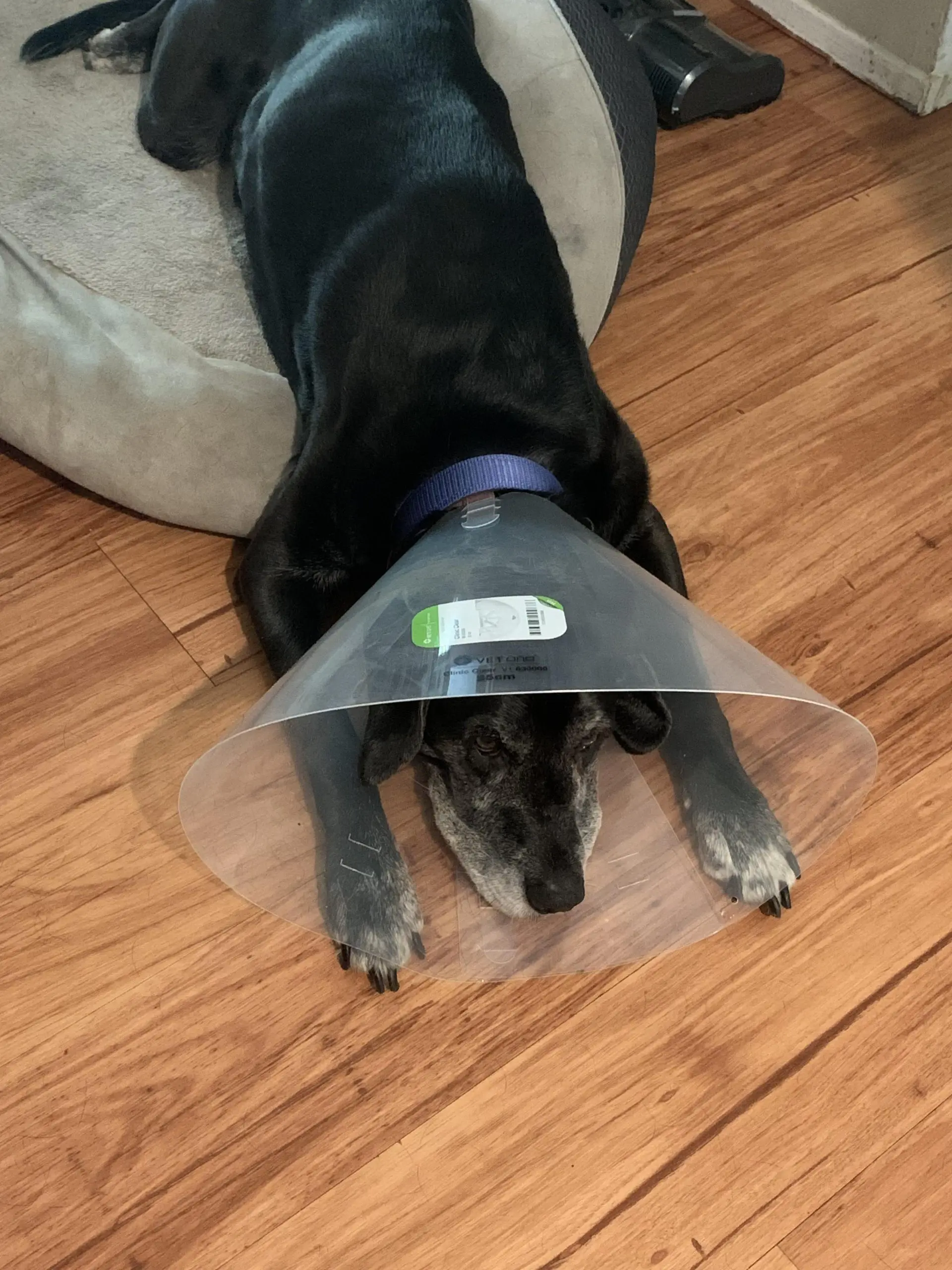
If your dog is wearing a cone, you might be wondering how to make feeding time easier for them—and for you. Watching your furry friend struggle to eat can be frustrating and worrying.
But don’t worry, there are simple ways to help your dog eat comfortably while keeping that cone on. You’ll discover practical tips that will make mealtime smoother for your dog and less stressful for you. Keep reading to learn how to feed your dog with a cone without any hassle.
Credit: www.youtube.com
Choosing The Right Cone
Choosing the right cone for your dog is key to keeping them comfortable and safe during recovery. The right cone prevents your dog from licking or biting wounds while making daily activities like eating and drinking easier. You want a cone that fits well, feels comfortable, and suits your dog's specific needs.
Types Of Cones Available
There are several types of cones to consider, each with unique benefits. The classic plastic Elizabethan collar is the most common and effective at blocking access to wounds.
- Soft fabric cones:These are more flexible and gentle on your dog's neck, but may not be as sturdy for aggressive chewers.
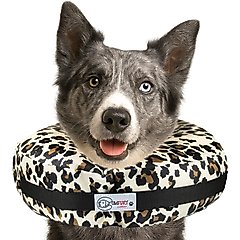
- Inflatable collars:These look like neck pillows and can be more comfortable, but might not block all areas equally.
- Adjustable collars:Designed to fit snugly, these cones allow some customization to your dog’s size and shape.
Think about your dog's personality and behavior. Will they tolerate a rigid plastic cone, or would a soft alternative keep them less stressed?
Ensuring Proper Fit
A cone that is too tight or too loose can cause discomfort or fail to protect the injury. Measure your dog's neck circumference before buying to ensure you pick the right size.
The cone should extend just past your dog’s nose, preventing them from reaching wounds but still allowing them to eat and drink. Watch your dog closely when you first put on the cone to see if they can manage their normal activities.
Have you noticed your dog struggling to eat or drink with their current cone? Adjusting the fit or choosing a different style might solve this problem.
Material Considerations
The material of the cone affects your dog’s comfort and durability of the collar. Hard plastic cones provide strong protection but can be noisy and uncomfortable.
Soft fabric cones offer more comfort but might absorb moisture and dirt easily. Inflatable cones are lightweight but may not work well for dogs who like to chew.
Think about your dog’s habits and environment. Does your dog spend a lot of time outdoors? A more durable, water-resistant material might be necessary.
Credit: www.chewy.com
Preparing The Feeding Area
Preparing the feeding area for your dog wearing a cone is essential to ensure mealtime is comfortable and stress-free. The cone can make simple tasks tricky, so setting up the right environment helps your dog eat without frustration. Small adjustments can make a big difference in their feeding experience.
Selecting A Comfortable Spot
Choose a quiet, familiar area where your dog feels safe. Avoid high-traffic spots that might cause distractions or stress. Have you noticed how your dog reacts when eating near noise or movement? Picking a calm corner can encourage them to focus on their meal.
Make sure the space is roomy enough for your dog to move around with the cone without bumping into furniture. If your dog is used to eating near their bed or favorite resting spot, placing the bowls there might help them feel more at ease.
Adjusting Bowl Height
Feeding with a cone can be uncomfortable if the bowls are too low or too high. Adjust the bowl height so your dog can reach their food easily without straining their neck or cone. Raised feeders or stacking bowls on a sturdy platform can be a quick fix.
Watch your dog during mealtime. Are they struggling to get their nose under the cone to reach the food? If so, try raising the bowls by a few inches and see if it improves their access. Remember, comfort during feeding helps maintain their appetite.
Using Non-slip Mats
Non-slip mats keep bowls steady and prevent spills, which can be especially helpful when your dog’s movements are restricted by a cone. A stable feeding area means less mess and less frustration for both of you.
Place a rubber or silicone mat under the bowls to stop them from sliding across the floor. This small change can reduce the cleanup time and make feeding smoother. Have you experienced bowls sliding away just as your dog tries to eat? A mat can solve that problem instantly.
Modifying The Dog's Food
Feeding a dog wearing a cone can be tricky, but adjusting their food can make mealtime much easier for both of you. The cone limits their movement and reach, so modifying the texture and presentation of their food helps your dog eat comfortably without frustration. Let’s look at practical ways to adapt your dog’s meals to fit their new situation.
Softening Dry Kibble
Dry kibble can be hard for dogs to eat with a cone on. Adding a little warm water or low-sodium broth softens the kibble and makes it easier to chew and swallow.
Try soaking the kibble for 5 to 10 minutes before serving. This simple change helps your dog avoid struggling or making a mess, especially if they’re not used to eating wet food.
Have you noticed how your dog reacts to softened kibble? Adjust the soaking time based on their preference and chewing ability.
Using Wet Food Options
Wet food is naturally easier to eat through a cone, thanks to its soft texture and moisture content. If your dog usually eats dry food, mixing in wet food can be a great option during their cone period.
You can choose canned dog food or prepare homemade meals with ingredients like boiled chicken and rice. These options reduce the effort your dog needs to eat and keep them interested in their meals.
Be mindful of the portion size when switching to wet food—it’s often more calorie-dense than dry kibble.
Portion Control Tips
Feeding with a cone can slow your dog down, which might change how much they eat at once. Measure portions carefully to avoid overfeeding or underfeeding during this time.
Divide their daily food allowance into smaller, more frequent meals. This approach reduces the chance of frustration and helps maintain steady energy levels.
Have you tried feeding your dog in a shallow dish or raised bowl? Adjusting the feeding setup can also help manage portion control and improve their comfort while eating.
Techniques For Feeding With A Cone
Feeding a dog wearing a cone can be tricky, but with the right techniques, you can make mealtime smoother for both of you. The key is to adapt your approach to your dog’s comfort and eating habits. Let’s look at some practical ways to help your dog eat well despite the cone.
Hand-feeding Strategies
Hand-feeding can help your dog feel more comfortable and encourage them to eat when the cone gets in the way. Sit beside your dog and offer small bites directly from your hand. This allows you to control the pace and angle of the food, helping your dog avoid bumping the cone on the bowl.
Try using soft or wet food that’s easier to pick up. If your dog is hesitant, gently lifting the cone just enough for them to take a bite can make a big difference. Have you noticed how your dog reacts when you feed them this way? Adjust your position to make it easier for them.
Encouraging Independent Eating
Some dogs prefer to eat on their own, even with a cone. To help them, place the food on a flat, wide plate instead of a deep bowl. This reduces the chances of the cone hitting the sides and frustrating your dog.
Position the plate so your dog can easily reach it without twisting their neck. If your dog is struggling, try elevating the plate slightly to align better with their mouth. Watching your dog’s attempts closely will tell you if small adjustments can improve their eating experience.
Using Special Feeding Tools
Special feeding tools can be a game-changer. Bowls designed with wider openings or angled sides can prevent the cone from knocking into them. You can also find raised feeders that bring the food closer to your dog’s mouth, reducing the need for awkward head movements.
Slow-feed bowls work well, especially if your dog tends to eat quickly and struggles with the cone’s added obstacle. Another option is a soft, flexible cone that allows more freedom of movement during mealtime. Have you tried any of these tools? They might just make feeding time less stressful.
Managing Stress During Meals
Feeding a dog wearing a cone can be a stressful time for both pet and owner. Stress affects how well your dog eats and recovers. Managing stress during meals helps your dog feel safe and comfortable.
Simple steps can create a peaceful mealtime. Calm moments encourage your dog to eat without fear or frustration. Observe your dog’s behavior and reward calm actions. This builds trust and reduces anxiety.
Creating A Calm Environment
Choose a quiet spot for feeding. Avoid loud noises and busy areas. Use soft lighting to create a soothing atmosphere. Keep the feeding area clean and free of distractions.
Place food and water bowls where your dog can reach them easily. Avoid moving the bowls too often. This helps your dog focus on eating, not on adjusting to new spots.
Positive Reinforcement
Praise your dog gently during and after meals. Use a soft voice and calm tone. Offer small treats to reward calm behavior. Avoid scolding or rushing your dog.
Positive reinforcement makes mealtime a happy event. It encourages your dog to eat and stay relaxed. Consistency helps your dog understand mealtime rules and feel safe.
Monitoring Eating Behavior
Watch your dog closely while eating. Look for signs of stress like heavy panting or pacing. Note if the cone makes it hard to reach the food.
Adjust bowl height or shape to make eating easier. If your dog struggles, try smaller, softer meals. Contact your vet if your dog refuses to eat for more than a day.
Alternative Options To Traditional Cones
Using a traditional cone to prevent your dog from licking wounds or stitches can be stressful for both of you. Luckily, there are alternative options that can make feeding and daily activities easier while still protecting your pet. These alternatives often offer more comfort and flexibility, reducing frustration during recovery.
Soft Collars
Soft collars are made from flexible fabric or foam, providing a gentler alternative to hard plastic cones. They allow your dog to eat and drink more naturally since they don’t extend as far around the head.
Because they are lighter and less restrictive, your dog may feel less anxious wearing one. However, soft collars might not work for dogs determined to reach their wounds, so observe your pet’s behavior closely.
Inflatable Collars
Inflatable collars look like neck pillows and limit your dog's head movement without blocking their vision or ability to eat. They are comfortable and less intimidating, which can help keep your dog calm.
These collars keep your dog from bending their neck to reach wounds but still allow easy access to food and water bowls. You might find your dog adjusts faster with this option compared to a traditional cone.
Custom Recovery Gear
Custom recovery gear includes tailored garments or braces designed specifically for your dog's injury. These can protect wounds or surgical sites without restricting movement or interfering with eating.
For example, a recovery suit can cover a large area while letting your dog move freely and eat comfortably. Ask your vet if custom options fit your dog's needs better than cones or collars.
Have you noticed your dog struggling to eat with a traditional cone? Trying these alternatives could improve mealtime and speed up recovery. What changes have you seen when switching to softer or custom options?
Credit: www.rd.com
Frequently Asked Questions
How Do You Feed A Dog Wearing A Cone?
Remove the cone temporarily during feeding to allow easy access. Supervise your dog to prevent licking wounds. Use shallow, wide bowls for comfort. Replace the cone immediately after feeding to protect healing areas.
Can Dogs Eat Normally With A Cone On?
Dogs may find eating challenging with a cone. Adjust feeding methods by using shallow bowls or hand feeding. Ensure the cone doesn’t block access to food. Patience helps dogs adapt to eating with a cone.
What Type Of Bowl Is Best For Dogs With Cones?
Use a shallow, wide bowl to accommodate the cone’s size. This helps your dog reach food easily without cone interference. Non-slip bowls prevent spills and make feeding smoother. Such bowls improve comfort during cone-restricted feeding.
How Long Should A Dog Wear A Cone After Feeding?
Keep the cone on immediately before and after feeding. Remove it only briefly for feeding and cleaning. Generally, dogs wear cones 24/7 until wounds heal fully. Follow vet advice for exact duration and care.
Conclusion
Feeding a dog with a cone needs patience and care. Ensure the bowl fits under the cone. Use your hand if needed. A raised bowl might help too. Keep the dog's environment calm during feeding. Consistency is key. With practice, your dog will adjust quickly.
Remember, it's a temporary situation. Soon, the cone will be gone, and feeding will return to normal. Always make mealtime a positive experience. Celebrate small successes with your furry friend. Your love and effort make a big difference. Happy feeding!