
Have you ever noticed your furry friend sneezing or looking a bit under the weather? Just like humans, cats can catch colds too.
If you're wondering how to treat a cat with a cold, you're in the right place. This isn't just about soothing symptoms; it's about giving your cat the comfort and care they need to bounce back. You might be feeling worried, but with the right steps, you can help your cat feel better in no time.
Stay with us, and discover simple, effective ways to nurse your feline friend back to health. Your cat's recovery is just a few easy steps away!
Symptoms Of A Cat Cold
Recognizing the symptoms of a cat cold is important to provide the right care. A cat cold can cause discomfort and may lead to serious health issues if untreated. Early identification of symptoms helps protect your cat’s health and comfort.
Common Signs To Watch For
- Sneezing frequently
- Runny or stuffy nose
- Watery or red eyes
- Coughing or gagging
- Loss of appetite
- Lethargy or less activity
- Fever or warm ears
- Labored or noisy breathing
When Symptoms Worsen
Watch closely for signs of worsening illness. If your cat has difficulty breathing or stops eating, seek help fast. Persistent fever or thick, colored discharge from eyes or nose shows infection. Sudden weakness or collapse needs emergency care. Early action can prevent serious problems.
Credit: www.petscare.com
Causes Of Cat Colds
Understanding what causes your cat’s cold is the first step to treating it effectively. Cat colds can arise from various factors, each requiring a different approach to care. Knowing these causes helps you protect your furry friend and reduce the chances of future illnesses.
Viral Infections
Most cat colds come from viral infections. Common viruses include feline herpesvirus and calicivirus, which spread easily among cats. These viruses attack your cat’s respiratory system, leading to sneezing, coughing, and nasal discharge.
Have you noticed your cat suddenly sneezing more or losing interest in food? These signs often point to a viral infection. Since these viruses are contagious, keeping your cat away from other cats while sick is crucial.
Environmental Triggers
Your cat’s environment can also trigger cold-like symptoms without an actual infection. Dust, smoke, strong perfumes, or sudden temperature changes irritate their sensitive respiratory tract. Even cleaning products or new litter might cause sneezing and watery eyes.
Think about any recent changes in your home when your cat starts showing cold symptoms. Could a new air freshener or a dusty corner be the cause? Reducing these irritants can ease your cat’s discomfort and speed up recovery.
Home Care For A Cat Cold
Home care plays a vital role in helping a cat recover from a cold. Providing a calm, warm, and clean environment supports healing. Small changes in daily care can make a big difference in your cat’s comfort and health.
Creating A Comfortable Space
Set up a quiet area away from noise and other pets. Use soft bedding that stays dry and warm. Keep the room temperature steady, avoiding drafts or sudden changes. Make sure your cat can easily reach food, water, and a litter box. A cozy spot encourages rest, which speeds recovery.
Hydration And Nutrition Tips
Offer fresh water often to prevent dehydration. Wet cat food helps increase fluid intake and is easier to eat. Warm the food slightly to release aroma and entice appetite. Provide small, frequent meals if your cat eats less. Avoid forcing food or water, but encourage gentle sipping and nibbling.
Using A Humidifier
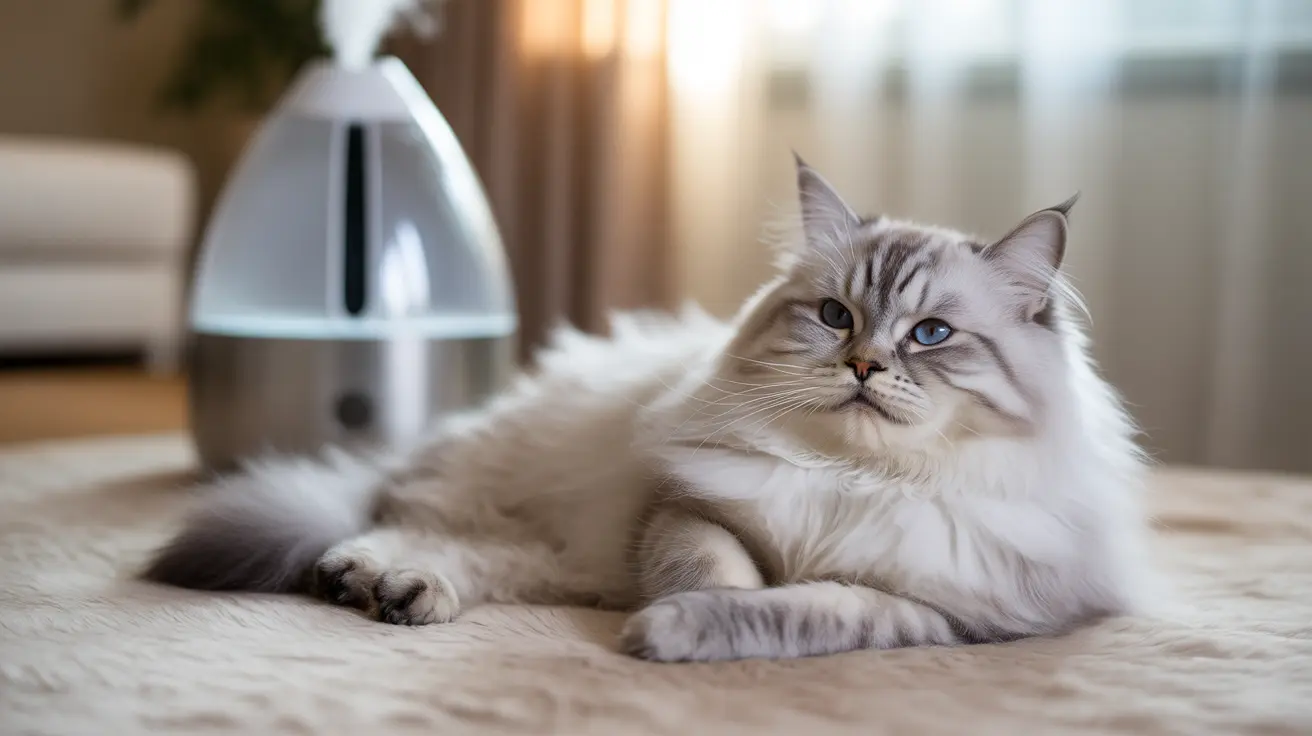
Place a humidifier near your cat’s resting area. Moist air helps soothe irritated nasal passages and eases breathing. Run the humidifier for several hours daily but keep it clean to prevent mold. If no humidifier is available, a bowl of warm water nearby can add moisture to the air.
Medication And Treatments
Dealing with a cat's cold can be worrying, but understanding the right medication and treatments can make a big difference. Not all remedies are safe or effective, so knowing what you can try at home and when to seek professional help is crucial. Let’s look at options that might help ease your cat’s symptoms and keep them comfortable.
Over-the-counter Options
There are a few over-the-counter products that can support your cat’s recovery, but be very cautious. Never give human cold medicine to your cat; many ingredients are toxic to them.
Safe options include:
- Saline nasal drops:These can help clear nasal congestion gently.
- Humidifiers:Adding moisture to the air can ease breathing difficulties.
- Warm compresses:Applying a warm, damp cloth near their nose might relieve discomfort.
Always read labels carefully and check with your vet before introducing any new treatment. Have you noticed how your cat reacts to simple remedies like steam from a hot shower? Sometimes, small changes make a huge difference.
When To Visit The Vet
If your cat’s symptoms last more than 10 days or worsen, it’s time to see the vet. Persistent sneezing, eye discharge, loss of appetite, or difficulty breathing are red flags.
Veterinarians can prescribe:
- Antibiotics:If a bacterial infection is suspected.
- Antiviral medications:In some cases, these help fight viral infections.
- Supportive care:Including fluids and nutritional support if your cat is dehydrated or refusing food.
Ignoring serious symptoms can lead to complications. Have you ever wondered if your cat’s cold is something more? Your vet can provide peace of mind and the right treatment to get your furry friend back to normal quickly.
Preventing Future Colds
Preventing future colds in cats helps keep them healthy and happy. Strong defenses reduce sickness risks. A clean environment stops germs from spreading. These simple steps support long-term wellness for your pet.
Boosting Immunity
Provide a balanced diet rich in vitamins and minerals. Fresh water must always be available. Regular exercise keeps your cat active and strong. Consider supplements like omega-3 fatty acids after vet advice. Reduce stress by maintaining a calm, safe space. Regular vet checkups catch problems early.
Maintaining Clean Living Areas
Clean food and water bowls daily. Wash bedding and toys regularly. Vacuum and dust to remove allergens and germs. Keep litter boxes clean and odor-free. Limit exposure to other sick animals. Good hygiene lowers infection chances significantly.

Credit: www.whiskas.com.ph
When To Seek Emergency Care
Knowing when to seek emergency care for your cat with a cold can make a critical difference. While many cat colds resolve with rest and basic care, some symptoms signal serious trouble. Being alert to these signs helps you act quickly and protect your furry friend’s health.
Signs Of Breathing Difficulty
If your cat is gasping for air, breathing rapidly, or making wheezing sounds, you need to get emergency help immediately. Cats often hide discomfort well, so any sudden change in breathing is a red flag. Don’t wait to see if it improves; quick action can save your cat’s life.
Persistent High Fever
A mild fever can be part of a cold, but a persistent temperature above 103°F (39.4°C) is dangerous. If your cat feels hot to the touch for more than a day and isn’t eating or drinking, emergency care is necessary. Fever this high can lead to dehydration and other complications fast.
Severe Lethargy Or Collapse
It’s normal for your cat to rest more when sick, but if it becomes extremely weak, unresponsive, or collapses, emergency care is urgent. Such lethargy could mean the infection is overwhelming your cat’s system. Immediate veterinary attention can prevent fatal outcomes.
Eye Or Nose Discharge That Is Thick And Colored
Clear discharge is common with colds, but thick yellow, green, or bloody discharge indicates infection or worsening illness. If you notice this along with swelling or pain around the eyes or nose, seek emergency care. These symptoms suggest your cat might need antibiotics or other medical treatment.
Refusal To Eat Or Drink For More Than 24 Hours
Cats can quickly become dehydrated if they stop eating or drinking, especially when sick. Monitor your cat closely—if it refuses food or water for a full day, emergency care is needed. Dehydration worsens illness and can lead to serious complications.
Credit: www.amazon.ca
Frequently Asked Questions
How Can I Tell If My Cat Has A Cold?
Look for sneezing, coughing, watery eyes, nasal discharge, and lethargy. Cats with colds may also lose appetite and show mild fever.
What Home Remedies Help Treat A Cat’s Cold?
Provide warmth, clean nasal discharge gently, use a humidifier, and encourage fluid intake. Avoid human medications without vet advice.
When Should I See A Vet For My Cat’s Cold?
If symptoms worsen, last more than ten days, or include difficulty breathing, dehydration, or high fever, consult your veterinarian promptly.
Can I Prevent My Cat From Catching A Cold?
Maintain good hygiene, avoid contact with sick cats, keep vaccinations current, and reduce stress to help prevent feline colds.
Conclusion
Treating a cat with a cold takes patience and care. Keep your pet warm and comfortable. Offer plenty of fresh water and nutritious food. Watch for signs that need a vet’s help. Avoid giving human medicine to your cat. Rest helps your cat heal faster.
Small steps make a big difference in recovery. Your attention helps your cat feel better soon. Stay calm, and keep observing your furry friend closely.