
Are you tired of finding your beautiful carpet in shreds thanks to your cat's relentless scratching? You're not alone.
Many cat owners face this frustrating issue, wondering how to keep their feline friends from turning their homes into a sea of scratches. But here's the good news: you can stop this behavior without sacrificing your carpets or your sanity.
You'll discover simple, effective strategies to redirect your cat's scratching habits. Imagine a home where your carpets remain pristine, and your cat is happy and content. Keep reading to learn how to make this dream a reality, and reclaim your home from your cat's claws.

Credit: www.amazon.com
Why Cats Scratch
Understanding why cats scratch helps protect your carpet better. Scratching is a natural behavior that cats perform daily. It serves several important purposes for their well-being and comfort. Recognizing these reasons guides you to manage and redirect this habit effectively.
Natural Instincts
Scratching comes from cats' wild ancestors. They use scratching to stretch their muscles and keep their bodies flexible. This action helps cats stay agile and healthy. It also relieves stress and keeps them calm.
Marking Territory
Cats scratch to mark their space. Their paws release scent from glands under their toes. This scent signals ownership to other cats. Scratching leaves a visible mark on surfaces. It tells other animals to stay away.
Nail Maintenance
Scratching helps cats keep their nails sharp and clean. It removes old nail sheaths to reveal fresh, sharp claws. This is important for climbing and hunting. Without scratching, their nails can become dull or painful.
Credit: www.vevor.ca
Identifying Triggers
Understanding why your cat scratches the carpet is key to stopping this behavior. Cats don’t scratch just for fun—they react to specific triggers that you can identify. Recognizing these triggers helps you create a more cat-friendly environment and protect your carpet from damage.
Stress And Anxiety
Stress often causes cats to scratch more than usual. Changes like new furniture, visitors, or loud noises can make your cat feel uneasy. Have you noticed if your cat scratches more after a trip to the vet or when new people arrive?
Try observing your cat’s behavior during stressful moments. You might see pacing, hiding, or vocalizing alongside scratching. Reducing stress with calming sprays or quiet spaces can lower the urge to scratch your carpet.
Boredom And Play
Cats scratch to stretch their muscles and express playfulness. If your cat lacks toys or interactive playtime, the carpet becomes an easy target. Think about how often you engage your cat with toys or games.
Adding scratching posts, puzzle feeders, and daily play sessions can redirect your cat’s energy. You might be surprised how quickly your cat switches from carpet to a new favorite scratching spot.
Environmental Factors
Environmental elements like carpet texture and placement can influence scratching. Some cats prefer rougher surfaces, while others look for specific locations near windows or doors. Have you checked if your carpet’s texture invites scratching?
Consider placing scratching posts near the usual scratching spots and using carpet protectors or double-sided tape. These small changes can make a big difference in protecting your carpet and keeping your cat happy.
Protecting Your Carpet
Protecting your carpet from your cat’s scratching can save you a lot of frustration and expense. Cats have a natural urge to scratch, but you can take simple steps to shield your carpet without upsetting your feline friend. These practical tips help keep both your carpet and your cat happy.
Using Carpet Protectors
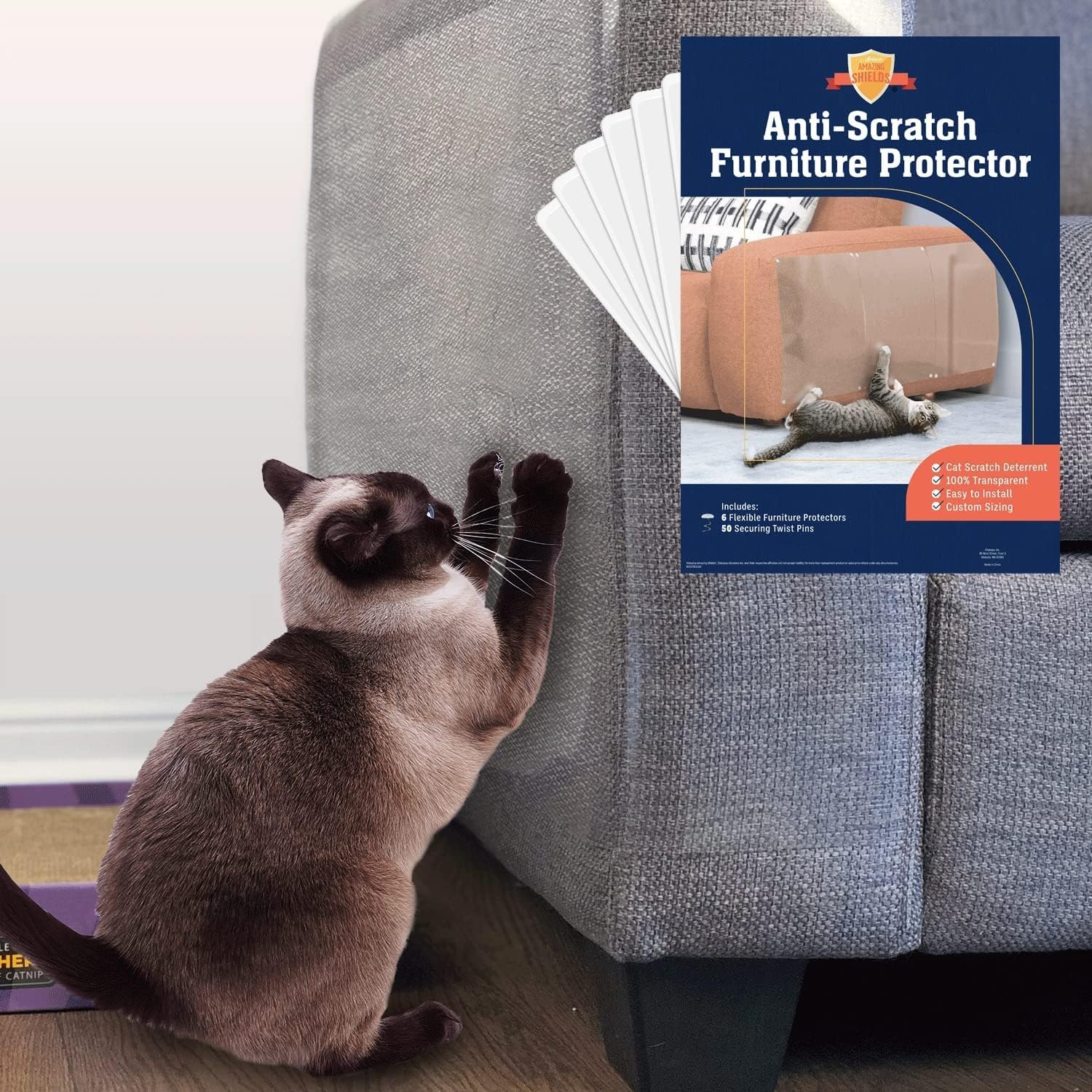
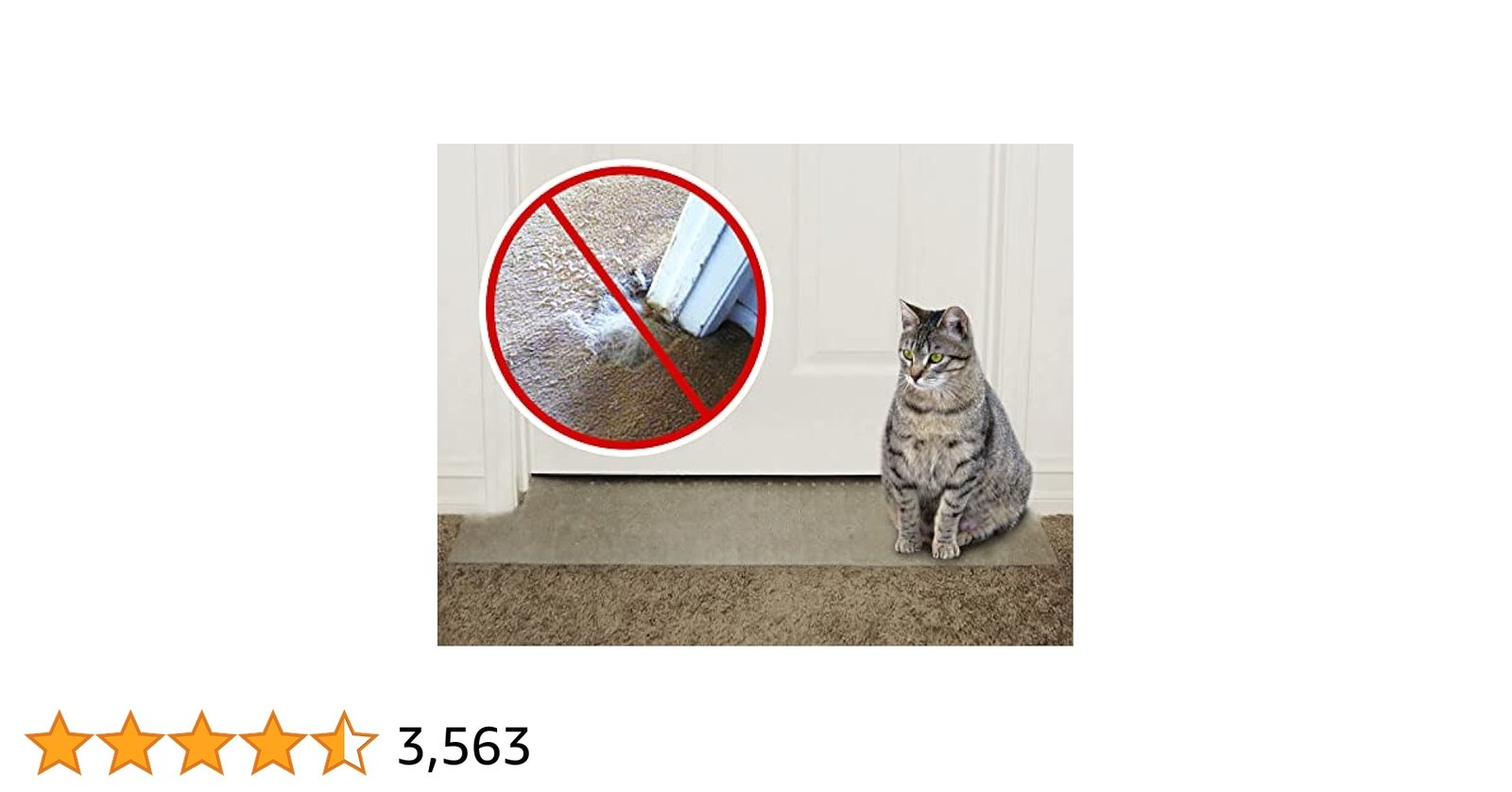
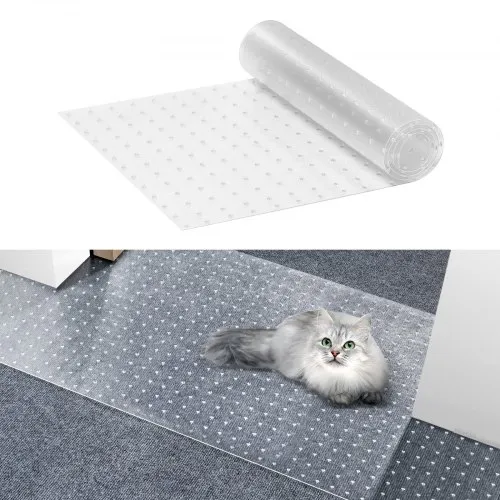
Carpet protectors act as a physical barrier between your cat’s claws and your carpet fibers. These are clear plastic mats or strips that you can place on vulnerable carpet areas. They’re easy to clean and don’t change the look of your room much.
Think about placing them near doorways or around furniture legs—spots your cat tends to target. I once used carpet protectors around a favorite scratching zone, and the difference was immediate. Your cat won’t enjoy the tough surface, so they’ll move on to other options.
Applying Deterrent Sprays
Deterrent sprays are designed to make your carpet smell or taste unpleasant to cats, discouraging scratching. Look for sprays made with natural ingredients safe for pets, like citrus or lavender scents. Spray these lightly on the areas your cat marks most often.
Don’t overdo it, as strong odors can irritate your cat or your household. I found that a quick daily spray near the couch corners helped reduce scratching within a week. Would your cat respond better to a scent or a bitter taste? Try both to see what works.
Covering High-risk Areas
Sometimes, the simplest way to protect your carpet is to cover it temporarily. Use rugs, runners, or furniture to shield sections that attract your cat’s claws. This adds an extra layer and makes scratching less appealing.
Think about rearranging your furniture to block access to carpet edges or corners. You can also place large cushions or pet beds over these spots to redirect your cat’s attention. Have you noticed any patterns in where your cat scratches most? Target those zones first.
Providing Alternatives
Stopping your cat from scratching your carpet often means giving them better options. Cats scratch to mark territory, stretch muscles, and keep claws sharp. If you provide alternatives, you guide their behavior without stress for either of you.
Choosing Scratching Posts
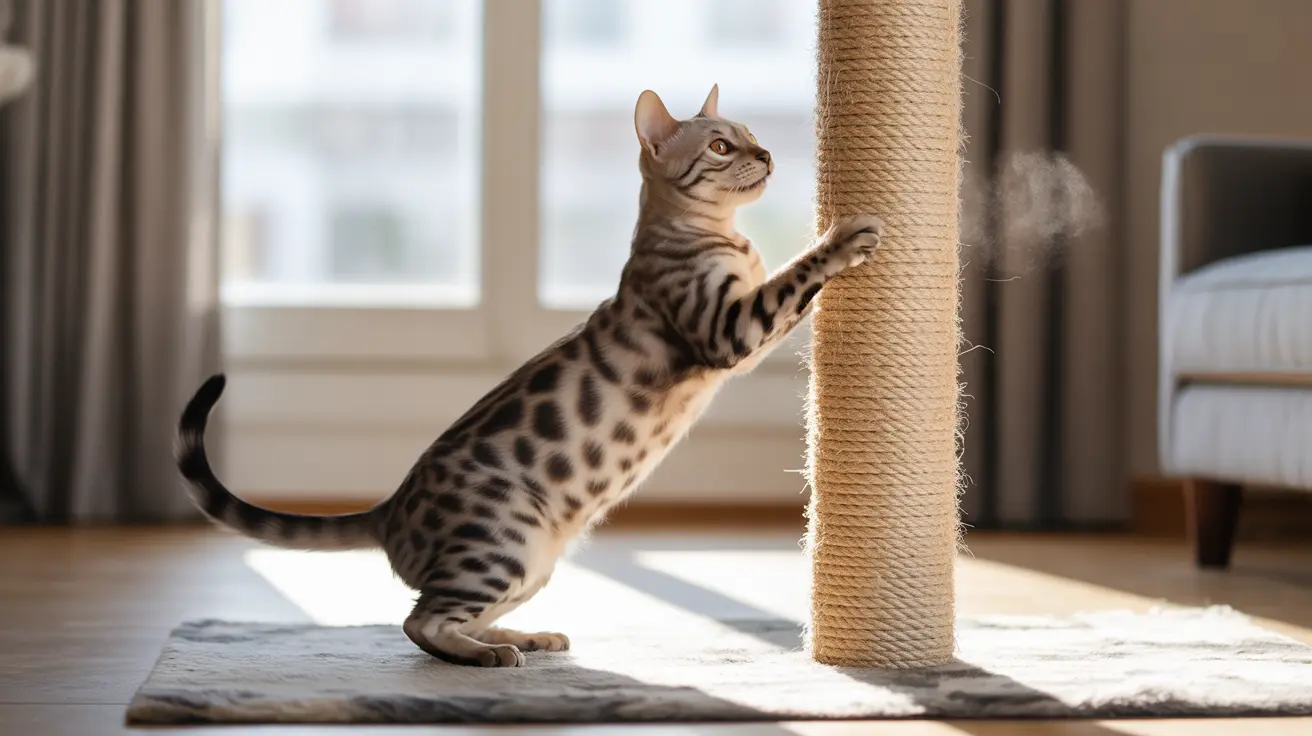
Pick scratching posts that feel satisfying to your cat. Look for sturdy posts wrapped in sisal or carpet—textures cats prefer. Place these posts near the carpet spots your cat targets to redirect their scratching instinct.
I once noticed my cat ignored a tall post but loved a low, horizontal one. Observing your cat’s natural scratching style helps you choose the right post. Do you see your cat stretching upward or scratching flat surfaces?
Using Cat Trees And Pads
Cat trees combine scratching, climbing, and resting in one spot. They give your cat a vertical playground, reducing the urge to scratch your carpet. Pads can be placed on the floor, offering another texture for scratching.
Try different locations for trees and pads—near windows, or where your cat likes to relax. Sometimes, cats prefer variety, so having multiple options around the house can be helpful. What areas does your cat frequent most?
Encouraging Play With Toys
Active play can distract your cat from scratching undesired spots. Use wand toys, laser pointers, or balls to engage their hunting instincts. Playtime tires them out and reduces boredom-related scratching.
Set aside daily play sessions to keep your cat mentally and physically stimulated. You might notice less carpet scratching when your cat is happily entertained. How often do you play with your cat each day?
Training Your Cat
Training your cat to stop scratching the carpet takes patience and a clear plan. Cats don’t understand punishment the way people do, so guiding them gently toward the right behavior is key. You can change your cat’s habits by rewarding good actions and steering them away from unwanted scratching.
Positive Reinforcement
Reward your cat immediately when they scratch on a designated post or pad. Use treats, affection, or playtime as a reward. This helps your cat connect good feelings with the right behavior, making them more likely to repeat it.
Try to catch your cat in the act and redirect their attention quickly. If you wait too long, the connection between the action and reward might be lost. Have treats ready and use a calm voice to praise your cat.
Redirecting Behavior
Provide appealing alternatives to your carpet, such as scratching posts or pads placed near the problem area. Choose items with different textures like sisal, cardboard, or carpet scraps to find what your cat prefers.
When you see your cat heading toward the carpet, gently move them to the scratching post instead. You can even rub catnip on the post to make it more attractive. Have you noticed how some cats are drawn to certain textures more than others?
Consistent Commands
Use simple, clear commands like “no” or “stop” every time your cat scratches the carpet. Speak in a firm but calm tone to avoid stressing your cat. Consistency helps your cat understand which behaviors are unacceptable.
Make sure everyone in your household uses the same commands and follows the same rules. Mixed signals confuse your cat and slow down progress. How consistent are you in correcting your cat’s behavior right now?
Credit: www.petscare.com
Maintaining Cat’s Nails
Maintaining your cat’s nails is a key step in protecting your carpet from damage. Cats naturally scratch to keep their claws sharp and healthy, but with proper care, you can manage their nails to reduce unwanted scratching. Taking a few simple actions can make a big difference in keeping both your cat comfortable and your carpet intact.
Regular Trimming
Trimming your cat’s nails regularly helps prevent them from becoming too sharp or long. Use a special cat nail clipper and be careful not to cut too close to the quick, the sensitive area inside the nail.
If you’re unsure about trimming, watch your cat’s behavior after a few sessions. You might notice less scratching because shorter nails cause less damage.
How often do you check your cat’s nails? Setting a weekly or biweekly routine can make trimming easier and less stressful for both of you.
Using Nail Caps
Nail caps are small, soft covers that fit over your cat’s claws. They act as a barrier, preventing sharp scratching on surfaces like carpets.
Applying nail caps requires patience and some practice, but many cat owners find them effective. You can find kits at pet stores, and they usually last a few weeks before needing replacement.
Have you considered this option? Nail caps can be a great alternative if your cat resists regular trimming.
Professional Grooming
If trimming at home feels daunting, professional groomers can take care of your cat’s nails safely. Groomers have experience handling cats and can trim nails quickly without causing stress.
Scheduling grooming every few weeks ensures your cat’s nails stay maintained, reducing the chances of carpet damage. Plus, groomers can spot other nail health issues early.
Would you trust a professional to help? Sometimes, an expert’s touch is the best way to keep your cat’s nails in check.
When To Seek Help
Knowing when to seek help is key to stopping your cat from scratching your carpet. Some behaviors need expert advice. Early action can protect your carpet and keep your cat happy.
Behavioral Issues
Scratching might signal stress or boredom. Your cat may act out due to changes at home. Aggressive scratching or sudden changes in behavior are warning signs. Persistent carpet scratching despite toys or scratching posts needs attention.
Health Concerns
Scratching can point to skin problems or allergies. Look for redness, swelling, or hair loss. Cats may scratch more if they feel pain or irritation. Regular scratching in one area could mean infection or parasites. Health issues often require prompt care.
Veterinary Advice
Veterinarians can find hidden health or behavior problems. They offer treatments for skin issues or anxiety. Professionals suggest safe ways to redirect scratching. Veterinary advice helps keep your cat comfortable and your carpet safe. Don’t delay visiting a vet if problems continue.
Frequently Asked Questions
Why Does My Cat Scratch The Carpet?
Cats scratch to sharpen claws, mark territory, and stretch muscles. Carpet texture often attracts scratching due to its feel and resistance. Understanding this behavior helps provide suitable alternatives and protect your carpet effectively.
How Can I Protect My Carpet From Cat Scratching?
Use double-sided tape or a carpet protector on scratching areas. Provide scratching posts nearby to redirect behavior. Regular nail trimming and positive reinforcement also reduce carpet damage by encouraging appropriate scratching habits.
What Type Of Scratching Post Stops Carpet Damage?
Choose tall, sturdy posts covered with sisal or cardboard. These materials attract cats and satisfy scratching instincts better than carpet. Place posts near damaged areas to encourage cats to switch from carpet to post.
Can Nail Trimming Prevent My Cat From Scratching Carpet?
Yes, regular nail trimming reduces claw sharpness and damage potential. Trim claws every 1-2 weeks carefully to avoid hurting the cat. This method helps minimize carpet damage but works best combined with other deterrents.
Conclusion
Stopping your cat from scratching the carpet takes patience and care. Offer your cat good scratching posts nearby. Use sprays or covers to protect carpet areas. Praise your cat when it uses the right spot. Keep your cat’s nails trimmed regularly.
Remember, gentle training helps your pet learn better habits. This way, your home stays neat, and your cat stays happy. Small steps make a big difference over time. Keep trying, and soon your carpet will stay scratch-free.