Putting a harness on your dog might seem tricky at first, but it doesn’t have to be. If you’ve ever struggled to get your furry friend ready for a walk, you’re not alone.
The right technique can make this simple task quick and stress-free for both of you. You’ll discover easy steps to put a harness on your dog comfortably and confidently. Keep reading to learn how to make harness time a positive experience for your best friend.
Credit: www.nandog.com
Choosing The Right Harness
Choosing the right harness for your dog is key to a safe and comfortable walk. A well-fitted harness offers control without causing pain or stress. Consider your dog’s size, behavior, and walking style before buying. The right harness protects joints and prevents choking. This guide helps you pick the best harness for your dog.
Types Of Dog Harnesses
There are several types of harnesses, each made for different needs and dogs.
- Back-clip harness:The leash attaches on the dog’s back. Good for small and calm dogs.
- Front-clip harness:The leash attaches on the chest. Helps reduce pulling on walks.
- Dual-clip harness:Has both front and back leash points. Offers more control and flexibility.
- Step-in harness:Easy to put on by stepping into it. Great for dogs that don’t like overhead harnesses.
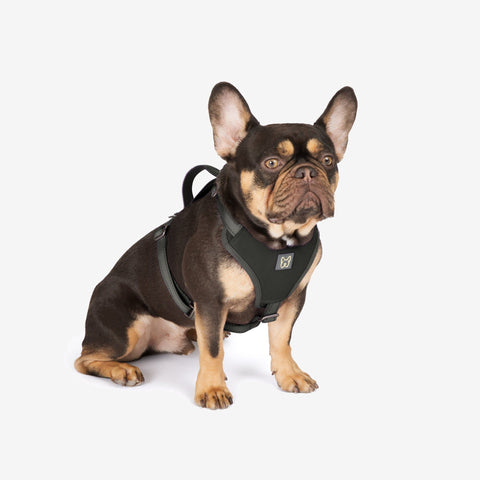
- Vest harness:Covers more of the dog’s body. Provides extra comfort and support.
Measuring Your Dog
Measure your dog carefully for the best fit. Use a soft tape measure.
- Measure the chest around the widest part, just behind the front legs.
- Measure the neck where the collar usually sits.
- Compare measurements with the harness size chart before buying.
A harness too tight will hurt your dog. Too loose and it may slip off.
Material And Comfort
Choose a harness made from soft, durable materials. Comfort matters for long walks.
- Look for padded straps to avoid chafing.
- Breathable mesh helps keep your dog cool.
- Strong buckles and stitching ensure safety.
Test the harness on your dog before the walk. Adjust straps so it fits snugly but not tight.
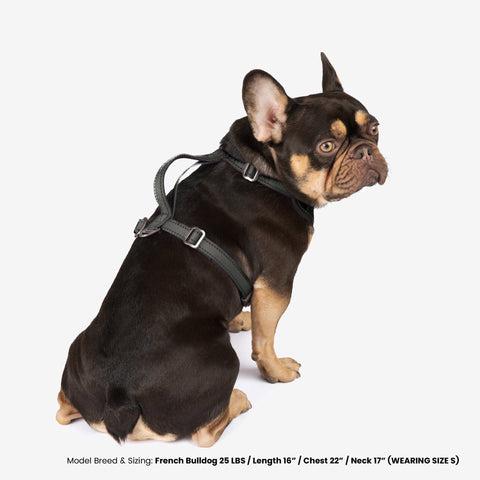
Credit: www.nandog.com
Preparing Your Dog
Preparing your dog before putting on a harness makes the whole experience smoother and less stressful for both of you. Dogs can be sensitive to new gear, so setting a calm and positive tone is essential. Taking time to prepare helps your dog feel safe and ready, making harness training a positive moment rather than a struggle.
Calming Techniques
Start by creating a quiet space free from distractions. Speak softly and move slowly to avoid startling your dog. Gentle petting or a favorite chew toy can help your dog relax.
Try simple breathing exercises yourself—your calm energy can reassure your dog more than you think. If your dog shows signs of anxiety, pause and give them time to settle. Have you noticed how your mood affects your dog’s behavior?
Introducing The Harness Slowly
Let your dog sniff and explore the harness before putting it on. Hold it near them during playtime or mealtime to build positive associations. You might even place the harness next to their bed so it becomes a familiar object.
Once your dog seems comfortable, gently drape the harness over their back without fastening it. Reward your dog with treats and praise for staying calm. Remember, patience pays off—rushing this step can create resistance or fear.
Step-by-step Harness Fitting
Fitting a harness on your dog might seem tricky at first, but breaking it down makes the process smooth and stress-free for both of you. A well-fitted harness ensures your dog stays comfortable and secure during walks. Let’s walk through the essential steps to get that perfect fit.
Positioning The Harness
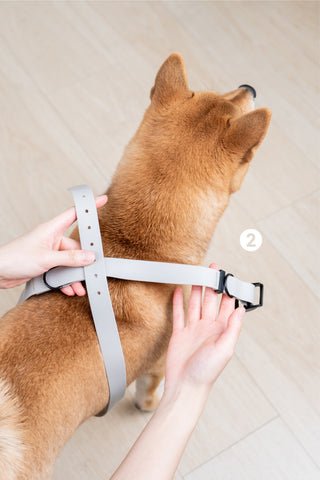
Start by identifying the front and back of the harness. The part with the buckle usually goes on your dog’s back, while the loop or chest plate fits around the chest area.
Gently slip the harness over your dog’s head, making sure it doesn’t twist. Keep your dog calm by speaking softly or offering treats during this step—it makes a big difference.
Securing The Straps
Next, bring the straps around your dog’s body. Most harnesses have side buckles or clips that need to be fastened securely.
Check that the straps are snug but not tight. You should be able to slide two fingers comfortably between the harness and your dog’s skin.
Adjusting For Comfort
Once secured, adjust the straps evenly on both sides. Uneven straps can cause chafing or discomfort during walks.
Watch how your dog moves. Does the harness stay in place? Is your dog able to walk and run freely? If not, tweak the fit until your dog seems happy and unrestricted.

Credit: www.youtube.com
Checking The Fit
Checking the fit of a dog harness is crucial for your pet’s comfort and safety. A poorly fitted harness can cause discomfort or even injury, while a good fit ensures your dog can walk freely without restrictions. Let’s dive into what you need to look for when adjusting the harness.
Ensuring Proper Tightness
You want the harness snug but not too tight. A good rule is to be able to slide two fingers between the harness and your dog's body. If you can't, the harness is too tight and could restrict breathing or movement.
I once rushed putting a harness on my energetic Labrador and didn’t check the tightness carefully. He ended up pawing at it during our walk, clearly uncomfortable. That taught me how important it is to double-check tightness before heading out.
Allowing For Movement
Your dog needs room to move naturally. Check if the harness lets your dog walk, run, and sit without pulling or pinching. If it limits movement, your dog might resist wearing it or try to escape.
Try gently tugging on the harness in different directions to simulate your dog’s movements. Does it stay in place without shifting? If it slides around, it might need adjusting or a different size.
Avoiding Chafing
Look closely at areas where the harness touches the skin, especially around the legs and chest. Rough edges or tight spots can cause chafing and irritation over time.
After a walk, check your dog’s skin for redness or hair loss. If you spot any, try adding a padded harness or adjusting straps to reduce friction. Your dog’s comfort should always come first.
Common Mistakes To Avoid
Putting a harness on your dog might seem simple, but many pet owners make avoidable mistakes that cause discomfort or safety issues. Recognizing these common errors can save you and your dog from frustration and ensure every walk is a joy. Let’s look at key missteps you should watch out for.
Incorrect Strap Placement
One frequent mistake is placing the straps in the wrong spots. Straps that are too tight around your dog’s neck or too loose on the chest can cause chafing or allow your dog to slip out. Check that the straps sit flat without twisting and rest comfortably on your dog’s body without restricting movement.
Have you ever noticed your dog rubbing a spot repeatedly after walks? That’s often a sign the harness straps are irritating the skin. Adjust straps so they don’t dig into the armpits or shoulders.
Using The Wrong Size
Choosing the wrong size harness is a common pitfall. A harness too big can let your dog escape, while one that’s too small can pinch and hurt. Measure your dog’s girth and consult sizing charts carefully before buying.
If your dog is between sizes, try going for the larger option and adjusting the straps snugly. Remember, your dog should be able to fit two fingers comfortably between the harness and their body.
Ignoring Your Dog’s Behavior
Many owners overlook how their dog reacts when putting on a harness. If your dog shows signs of stress, like pulling away or trying to bite, it’s a sign you need to slow down. Forcing a harness can create negative associations.
Pay attention to your dog’s body language. Use treats and positive reinforcement to make the harness a happy experience. Have you noticed your dog relaxing or wagging its tail once the harness is on? That’s a good sign you’re doing it right.
Tips For Training With A Harness
Training your dog to wear a harness can be a smooth experience if you approach it with patience and the right techniques. The key is to help your dog associate the harness with positive feelings and comfort. Small steps and clear communication make all the difference in building trust and cooperation.
Positive Reinforcement
Use treats, praise, and affection to reward your dog whenever they show calm behavior around the harness. Let your dog sniff and explore the harness before putting it on to reduce fear or confusion. Offering a favorite treat right after securing the harness helps your dog link it with something pleasant.
Have you noticed how your dog responds better when you’re cheerful and encouraging? Your tone matters more than you might think during training.
Short Practice Sessions
Keep initial harness sessions brief to avoid overwhelming your dog. Start by fastening the harness for just a minute or two, then gradually increase the time as your dog gets used to the feeling. Frequent, short sessions help build comfort without causing frustration.
Try to stay consistent with these practice periods daily. You’ll see your dog’s acceptance grow steadily, making longer walks more enjoyable for both of you.
Gradual Outdoor Use
Don’t rush into long walks right away. Begin with quiet, familiar areas where your dog feels safe, like your backyard or a calm park corner. Let your dog explore at their own pace while wearing the harness to build confidence outdoors.
Pay attention to your dog’s body language—if they seem stressed, slow down or take a break. This careful approach helps your dog associate the harness with positive outdoor experiences rather than discomfort or fear.
Frequently Asked Questions
How Do I Choose The Right Harness Size For My Dog?
Measure your dog's chest and neck carefully. Choose a harness size that fits snugly but allows two fingers to fit comfortably underneath. Proper sizing ensures comfort and prevents slipping during walks.
What Is The Best Way To Put A Harness On A Dog?
Place the harness on the ground and encourage your dog to step into it. Then, fasten buckles securely and adjust straps for a snug fit. Always check for comfort before heading outside.
How Can I Make My Dog Comfortable Wearing A Harness?
Introduce the harness slowly and use treats for positive reinforcement. Let your dog wear it indoors for short periods. Gradually increase wear time to build comfort and confidence.
Should I Use A Harness Or A Collar For Walking My Dog?
Harnesses distribute pressure evenly and reduce neck strain, making them ideal for pulling dogs. Collars are suitable for well-trained dogs who don’t pull. Choose based on your dog’s behavior and needs.
Conclusion
Getting your dog comfortable with a harness is crucial. It ensures safety during walks. Always choose the right size for your pet. Practice regularly to make your dog familiar. Use treats and praises to encourage cooperation. Patience is key. Over time, your dog will adjust.
Remember, a calm approach works best. Double-check that the harness is secure but not tight. This ensures comfort. With these tips, you’ll enjoy stress-free walks. Your dog will thank you with wagging tails. Happy walking!