Does it feel like your couch is in a constant battle with your cat’s claws? You’re not alone.
Many cat owners face the daily struggle of protecting their beloved furniture from their feline’s natural scratching instincts. But don’t worry, there are ways to keep your couch safe without making your cat unhappy. You’ll discover simple and effective strategies to redirect your cat’s scratching habits.
Imagine a home where your cat is content and your couch remains scratch-free. Keep reading to learn how to achieve this balance and create a peaceful environment for both you and your furry friend.
Why Cats Scratch
Understanding why cats scratch can help you find better ways to protect your couch. Scratching is a natural and important activity for cats. It’s not just about damaging your furniture; it’s about their health and well-being.
Instinctive Behavior
Scratching is an instinctive behavior that cats are born with. It helps them stretch their muscles and keep their bodies flexible. Have you noticed your cat stretching before or after a nap? That’s exactly what scratching does for them.
Even indoor cats need to scratch to stay healthy. If you stop them from doing this, they might get stressed or frustrated. Instead, offer alternative scratching spots to keep both your cat and your couch happy.
Marking Territory
When your cat scratches, they leave visual marks and scent signals. Cats have scent glands in their paws, so scratching is a way to claim their space. This is why you might find scratch marks in the same places repeatedly.
Think about your living room. Your cat might see the couch as part of their territory. Would you want strangers rearranging your favorite spot? That’s how your cat feels too.
Nail Maintenance
Scratching helps cats shed old nail layers and keep their claws sharp. It’s like a natural nail trim that prevents overgrowth. Have you ever seen a cat with sharp claws? They’re ready to scratch anything within reach.
If you don’t provide proper outlets, your cat will use your furniture instead. Regular nail trimming and providing scratching posts can reduce damage. What’s your cat’s favorite scratching surface so far?
Credit: nymag.com
Choosing The Right Alternatives
Choosing the right alternatives can make a huge difference in protecting your couch from your cat’s scratching habits. Cats need to scratch—it helps them stretch, mark territory, and keep their claws healthy. Your goal is to offer options that are more appealing than your furniture.
Cat Scratching Posts
Scratching posts are a classic solution. Look for tall, sturdy posts that allow your cat to stretch fully. Posts wrapped in sisal rope tend to attract cats more than fabric-covered ones.
Place the post near your couch or in your cat’s favorite hangout spot. Sometimes, adding catnip or treats to the post encourages your cat to use it more often. Have you noticed how your cat reacts to different posts? Pay attention and adjust accordingly.
Furniture-friendly Options
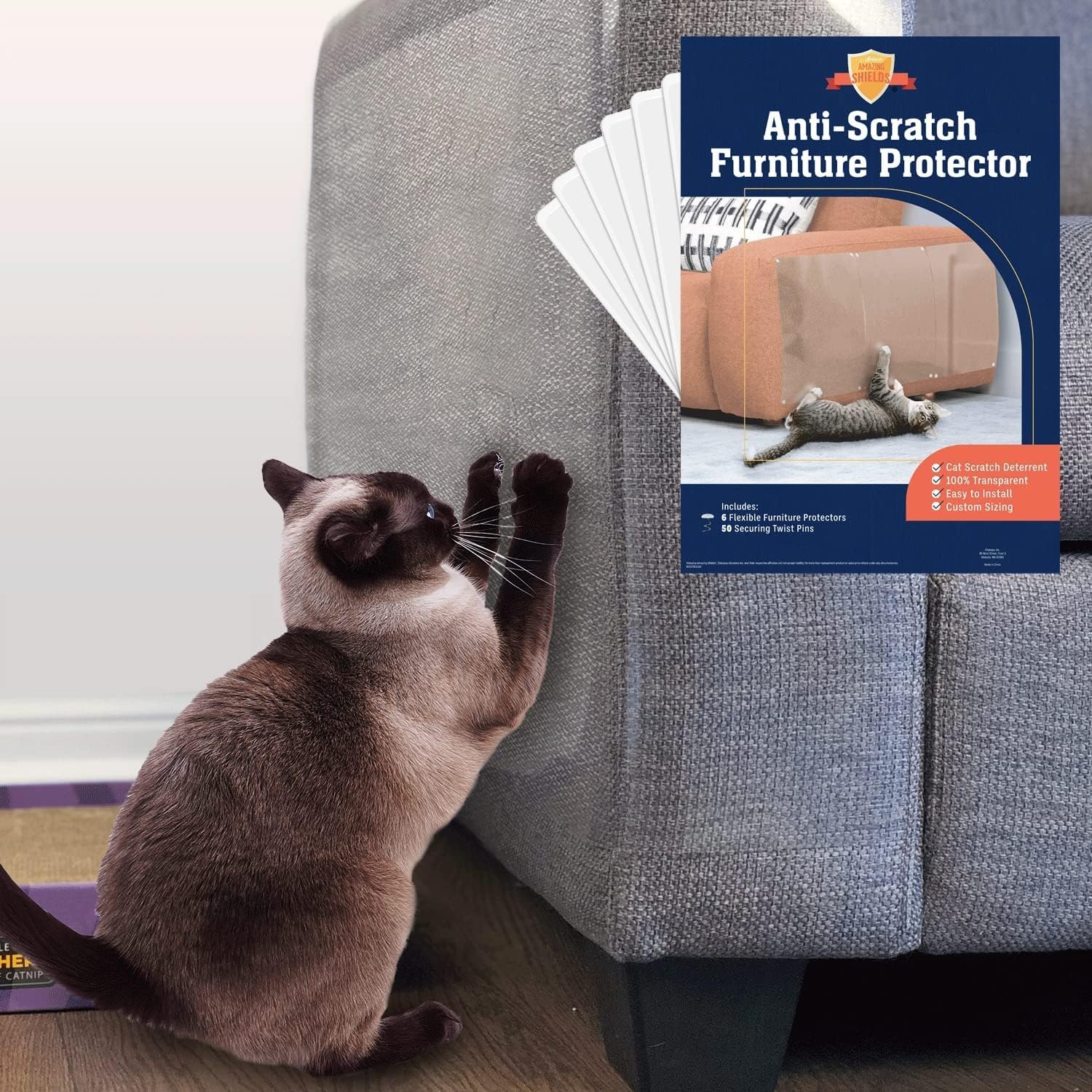
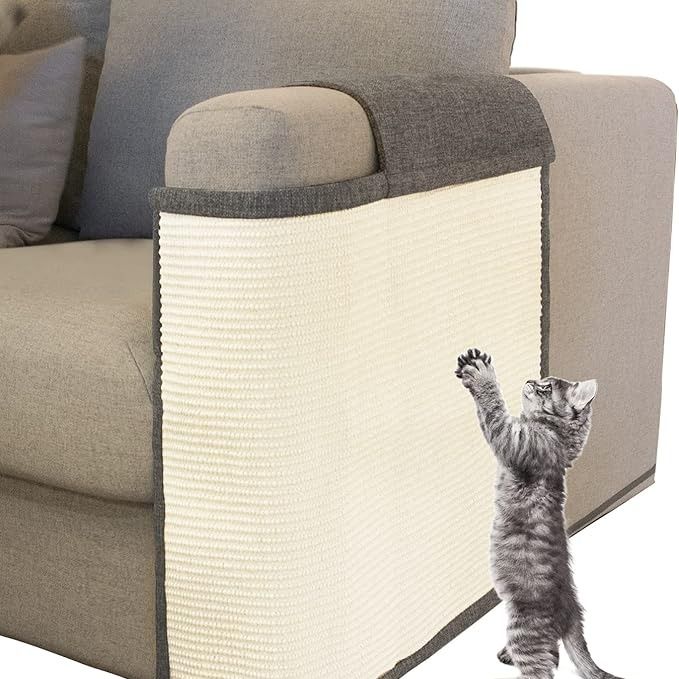
Not all scratching alternatives need to be separate pieces. Furniture-friendly options like scratch guards or removable adhesive pads protect your couch without changing your room’s look. These pads can be placed on the couch arms or sides where your cat likes to scratch.
Another idea is to provide scratching surfaces that blend with your decor, like a stylish scratching mat or a wooden scratcher that doubles as a side table. Would your cat prefer a vertical or horizontal surface? Offering both can increase the chances they use the right spot.
Material Preferences
Cats have clear material preferences when it comes to scratching. Sisal and corrugated cardboard are popular choices because they give satisfying resistance. Avoid soft fabrics like velvet or fleece, which cats generally dislike for scratching.
Try different materials to see what your cat prefers. You can even combine materials on one post or mat. What’s your cat’s favorite? Watching their scratching behavior can give you clues to keep them happy and your couch safe.
Training Your Cat
Training your cat takes patience and consistency. Cats scratch to mark territory, stretch muscles, and sharpen claws. Teaching them to scratch the right things protects your couch and keeps your cat happy.
Start training early and stay calm. Use clear signals and repeat often. Reward good behavior to help your cat learn quickly.
Positive Reinforcement
Reward your cat when it scratches the right item. Use treats, petting, or praise immediately. This helps your cat connect good behavior with rewards.
Keep rewards consistent. Ignore unwanted scratching instead of punishing. Positive reinforcement builds trust and encourages better habits.
Redirecting Scratching
Offer appealing alternatives like scratching posts or pads. Place them near the couch or favorite scratching spots. Encourage your cat to use these by rubbing catnip on them.
If your cat starts scratching the couch, gently move it to the post. Repeat this every time to teach where to scratch.
Using Deterrents
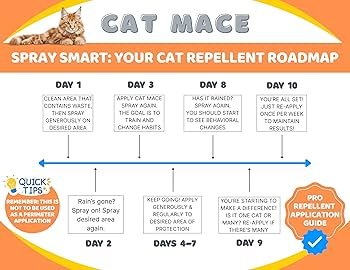
Apply safe deterrents to your couch to discourage scratching. Use double-sided tape or furniture covers with textures cats dislike. These make your couch less attractive to scratch.
Try scent deterrents like citrus sprays or commercial cat repellents. Always test a small area first to avoid damage.

Credit: www.reddit.com
Protecting Your Couch
Protecting your couch from your cat’s scratching can save you a lot of frustration and expense. Cats naturally want to sharpen their claws and mark their territory, but there are simple ways you can make your furniture less appealing. You don’t have to give up your couch or your cat’s comfort to keep both happy.
Furniture Covers
Using furniture covers is a straightforward way to shield your couch. Choose durable fabrics like microfiber or slipcovers that are easy to wash and replace. These covers create a physical barrier that discourages scratching and protect the original upholstery from damage.
Consider covers with textures your cat dislikes, such as slick or slightly rough materials. You might find that your cat avoids scratching surfaces that don’t provide satisfying resistance. Have you tried a waterproof or vinyl cover? They can be surprisingly effective at deterring scratching because they feel unfamiliar and uncomfortable.
Double-sided Tape
Double-sided tape is a clever tool that many cat owners swear by. Cats dislike sticky surfaces, so placing strips on the areas your cat targets can stop scratching quickly. It’s an affordable and non-toxic option to safeguard your couch.
Apply the tape in strips or patches to the armrests and corners. You might be surprised how fast your cat learns to avoid those spots. What areas on your couch does your cat prefer? Focus the tape there to get the best results.
Scent Deterrents
Cats have a powerful sense of smell, which you can use to your advantage. Certain scents like citrus, eucalyptus, or lavender often repel cats. Spraying these natural scents near your couch can discourage scratching.
Try using essential oils diluted in water, but always check that they are safe for cats before applying. You could also use commercially available cat deterrent sprays designed specifically for furniture. Have you noticed your cat’s reaction to different smells? Observing this can help you pick the most effective scent deterrent for your home.
Nail Care For Cats
Keeping your cat’s nails in check plays a huge role in protecting your couch from scratches. Nail care not only helps prevent damage to furniture but also keeps your cat comfortable and healthy. Let’s look at some practical ways to manage your cat’s nails effectively.
Regular Trimming
Trimming your cat’s nails regularly reduces their sharpness, making it less likely for your couch to get damaged. If you’re nervous about cutting too close, start slow and use special cat nail clippers. You might be surprised how quickly your cat gets used to the routine.
Try trimming every two to three weeks. This keeps the nails short and manageable without causing discomfort. If your cat resists, offer treats or gentle praise to make the experience positive.
Soft Nail Caps
Soft nail caps are an excellent alternative if trimming feels too stressful for you or your cat. These tiny plastic covers slip right over your cat’s claws and prevent scratching damage. They usually last a few weeks and come in different colors, which some owners find fun.
Applying nail caps requires patience and a bit of practice, but many cat owners find them effective. Have you ever tried these? They might be the solution if you want to protect your furniture without changing your cat’s behavior.
Professional Grooming
If nail care feels overwhelming, consider professional grooming services. Groomers have experience handling cats and can trim nails safely and quickly. Plus, they can check for any nail or paw issues you might miss.
Booking regular grooming appointments can take the nail care burden off your shoulders. It’s a practical choice if your cat is difficult to handle or if you want expert advice on overall paw health.

Credit: www.amazon.com
Creating An Enriching Environment
Creating an enriching environment helps keep cats happy and less likely to scratch furniture. Cats need mental and physical stimulation to stay calm. A bored cat often scratches sofas to relieve stress or pass time. Offering fun activities and cozy spots can reduce unwanted scratching.
Providing Toys
Toys keep cats busy and entertained. Choose different types like balls, feather wands, and soft mice. Rotate toys regularly to keep interest high. Toys encourage natural hunting and playing behavior. This helps cats use their energy in a positive way.
Interactive Playtime
Spend time playing with your cat every day. Use toys that move or dangle to mimic prey. This interaction builds trust and reduces boredom. Short, frequent play sessions work best for cats. Active play helps them release energy without damaging furniture.
Comfortable Resting Spots
Provide soft, quiet places where your cat can relax. Cats love warm, cozy beds near windows or heaters. Raised areas give them a safe, peaceful view. A happy cat is less likely to scratch out of stress. Comfortable spots help cats feel secure and calm.
Frequently Asked Questions
How Can I Stop My Cat From Scratching Furniture?
Provide scratching posts near the couch. Use cat deterrent sprays on furniture. Trim your cat’s nails regularly to reduce damage.
What Materials Repel Cats From Scratching Couches?
Cats dislike citrus scents, double-sided tape, and aluminum foil. Applying these materials on your couch can discourage scratching effectively.
Why Do Cats Scratch Furniture Like Couches?
Cats scratch to mark territory, stretch muscles, and keep nails healthy. Understanding this helps in redirecting their behavior to appropriate items.
Are Scratching Posts Effective Against Couch Scratching?
Yes, scratching posts satisfy your cat’s instinct to scratch. Place posts near the couch to attract your cat and protect furniture.
Conclusion
Stopping your cat from scratching the couch takes patience and care. Provide your cat with good scratching posts nearby. Use gentle training to guide your cat’s behavior. Protect your furniture with covers or sprays cats dislike. Remember, cats scratch to stretch and mark their space.
Give them safe places to do this. With time, your cat will learn where to scratch. Keep trying different methods until you find what works best. Your couch and your cat can both stay happy.