If you have a cat, you know how frustrating it is when litter ends up all over your floor. It sticks to your cat’s paws, scatters when they dig, and suddenly your clean room looks messy.
You want a simple way to keep that litter contained without spending hours cleaning every day. You’ll discover easy and effective tips that actually work. By the end, you’ll have a cleaner home and less stress—so keep reading to learn how to stop cat litter from getting everywhere.
Choosing The Right Litter Box
Choosing the right litter box is a key step in keeping cat litter from scattering all over your floor. The box you pick affects how much litter your cat tracks outside and how easy it is for you to maintain cleanliness. Understanding different types, sizes, and designs will help you find the best fit for your cat's habits and your home.
Types Of Litter Boxes
There are several types of litter boxes available, each with unique features that can limit litter mess. Traditional open boxes are simple and easy to clean but may allow more litter to escape when your cat digs.
Self-cleaning boxes reduce the need for daily scooping and often have barriers to keep litter contained. Sifting boxes help separate clean litter from waste, making maintenance quicker and reducing litter spillage.
- Open litter boxes: Basic and affordable, but litter may scatter easily.
- Covered litter boxes: Help contain litter but may trap odors.
- Self-cleaning litter boxes: Minimize manual cleaning and litter scatter.
- Sifting litter boxes: Simplify waste removal and reduce mess.
Size And Design Considerations
Your cat’s size and behavior should guide your litter box choice. A box too small can cause your cat to kick litter out as it tries to turn around.
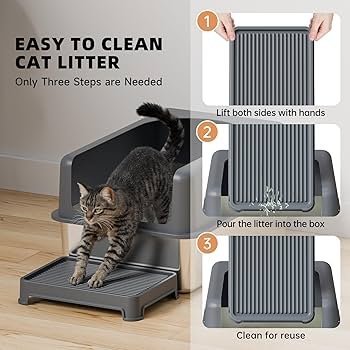
Look for boxes with high sides to contain litter but low enough for older or less agile cats to enter comfortably. Some designs include ramps or textured edges that help remove litter from paws before your cat exits.
- Choose a box at least 1.5 times your cat's length.
- High walls prevent litter scatter during digging.
- Textured surfaces near the exit reduce tracking.
Covered Vs. Open Boxes
Covered boxes can keep litter inside better, but some cats dislike the enclosed space and may avoid using them. If your cat prefers privacy, a covered box might work well, especially if it includes ventilation.
Open boxes give your cat more space and air but require extra effort to manage scattered litter. Think about your cat's personality and your cleaning routine before deciding which type suits your household best.

Credit: www.amazon.co.uk
Selecting The Best Cat Litter
Choosing the right cat litter plays a big role in keeping your home clean. The type of litter affects how much spreads outside the box. Picking litter that controls mess helps reduce tracking and makes cleaning easier. Think about your cat’s habits and your cleaning routine. This helps find the best option for both of you.
Clumping Vs. Non-clumping
Clumping litter forms solid clumps when wet. This makes scooping simple and fast. It helps keep the box cleaner longer. Non-clumping litter absorbs moisture but does not form clumps. It usually needs full changing more often. Clumping litter often creates less mess because it stays in one place. Non-clumping can be lighter and dustier, leading to more tracking.
Low-tracking Litter Options
Some litters are made to stick less to paws. They have larger, heavier granules or softer textures. These reduce litter spread around the house. Look for labels that say "low tracking" or "dust-free." Materials like crystals or compressed pellets can help limit litter on floors. Using a litter mat outside the box also traps stray litter.
Eco-friendly Choices
Eco-friendly litters use natural materials like corn, wheat, or pine. They often produce less dust and tracking. These litters break down in compost or flush safely. They are gentle on your cat’s paws and the environment. Choosing green options supports sustainability and keeps your home fresh. Many eco litters also control odor well without harsh chemicals.
Placement Of The Litter Box
Placement of the litter box plays a big role in keeping litter from scattering. The right spot can reduce mess and make your cat comfortable. Choose a location that fits both your home and your cat's habits. This helps keep the litter contained and the area clean.
Ideal Locations In Your Home
Choose a quiet, low-traffic room for the litter box. Bathrooms, laundry rooms, or spare rooms often work well. These spots offer privacy for your cat and easy cleaning for you. Make sure the floor is easy to sweep or mop.
Avoiding High Traffic Areas
Keep the litter box away from busy hallways or near doors. Cats dislike noise and interruptions while using the box. High traffic can cause stress and lead to litter tracking. A calm, stable spot helps your cat feel safe and reduces mess.
Accessibility For Your Cat
Place the litter box where your cat can reach it easily. Avoid spots with obstacles or tight spaces. Older or less mobile cats need extra care in placement. The box should be easy to enter and exit without trouble.

Credit: www.reddit.com
Litter Box Accessories
Keeping cat litter from scattering all over your floor can feel like a never-ending battle. The right litter box accessories make a big difference by catching stray litter before it gets too far. These tools not only help keep your space clean but also make your cat’s bathroom time more comfortable and hygienic.
Litter Mats And Traps
Litter mats are essential if you want to catch the granules stuck to your cat’s paws. These mats come in various materials like rubber or fabric, designed to trap litter effectively. Some mats feature deep grooves or a honeycomb pattern that collects litter as your cat steps off the box.
I once switched to a honeycomb litter mat and noticed a sharp drop in litter tracking within days. You might ask yourself: how often should you clean the mat? Regular shaking or vacuuming keeps it working well and prevents odor buildup.
Box Liners And Shields
Box liners create a smooth surface inside the litter box, which helps reduce the amount of litter that sticks to the sides. They also make cleaning easier by preventing waste from sticking to the box itself. Shields, on the other hand, attach to the box edges to block litter from flying out when your cat digs enthusiastically.
Adding a shield to a high-sided box can be a game changer, especially with energetic cats. Have you tried shields that extend above the box rim? They often catch even the most determined scatterers.
Scooping Tools And Storage
A good scooper helps you quickly remove clumps, keeping litter fresher and less prone to sticking around the box. Look for ergonomic handles and sift sizes that match your litter type to make scooping easier. Pair your scooper with a sealed storage container to keep litter fresh and reduce spills during refills.
Storing your scooping tools right next to the box can save time and prevent messes. Have you found a scoop with a built-in stand or holder? It keeps the floor clean and makes your cleaning routine smoother.
Cleaning And Maintenance Tips
Keeping cat litter from spreading requires regular cleaning and proper maintenance. A clean litter box reduces mess and keeps your home fresh. Small daily efforts prevent bigger cleaning tasks later. Follow these tips to manage litter efficiently and maintain a tidy area around the box.
Regular Scooping Routine
Scoop the litter box at least once a day. Removing waste quickly stops odors and keeps litter inside the box. Use a scoop with fine mesh to catch small clumps. Place scooped waste in a sealed bag or trash bin. This simple routine helps control litter tracking and keeps the box inviting for your cat.
Deep Cleaning Schedule
Empty the entire litter box every one to two weeks. Wash the box with mild soap and warm water. Avoid strong chemicals that can harm your cat or repel them from the box. Dry the box completely before adding fresh litter. Deep cleaning removes buildup and prevents odors. It also helps spot any cracks where litter may escape.
Replacing Litter Effectively
Change the litter fully during deep cleaning. Add the right amount of litter to cover the bottom by about two to three inches. Too little litter causes more tracking and mess. Too much litter wastes product and increases the chance of spillage. Use a litter mat to catch stray particles outside the box. This reduces litter spread and keeps floors cleaner.
Training Your Cat
Training your cat can make a big difference in keeping litter where it belongs. Cats naturally bury their waste, but sometimes they miss the mark or kick litter outside the box. With a bit of guidance, you can help your cat develop better habits that reduce mess and make your home cleaner.
Encouraging Proper Use
Make sure your cat’s litter box is in a quiet, easily accessible spot. Cats dislike noise and disturbances while they do their business. If your cat seems hesitant, try moving the box to a calmer area and watch if the behavior improves.
Use the right type of litter your cat prefers—some like clumping, others prefer unscented or finer textures. Observe your cat’s reactions and adjust accordingly. A comfortable cat is more likely to use the box properly.
Dealing With Litter Scatterers
Some cats naturally kick litter out as they cover their waste. To limit scatter, consider using a high-sided or covered litter box. This simple change can catch most of the flying litter before it escapes.
Place a litter mat outside the box to trap stray granules. Mats with grooves or textures work best. You’ll find that daily cleanup becomes much easier with this small addition.
Positive Reinforcement Techniques
Reward your cat when it uses the litter box correctly. Praise, gentle petting, or a small treat can reinforce good habits. Cats respond well to positive attention, so make it a habit to celebrate their successes.
If you notice your cat avoiding the box, don’t punish. Instead, try to understand the cause—maybe the box is dirty or in an uncomfortable spot. Adjust the situation and reward when your cat returns to proper use.
Additional Prevention Strategies
Keeping cat litter contained requires more than just a good litter box. Small changes around the box and in cat care help reduce mess. These additional prevention strategies make cleanup easier and keep your space cleaner.
Using Entrances With Steps
Steps or ramps at the litter box entrance trap litter on your cat’s paws. These surfaces catch particles before your cat leaves the box area. Using textured mats or small stairs helps reduce litter spread. Place a mat outside the box to catch stray litter too.
Grooming Your Cat Regularly
Regular brushing removes loose fur and dirt that carry litter outside the box. Grooming reduces the amount of litter stuck to your cat’s coat. Keep your cat’s paws clean to prevent tracking litter around your home. Trim fur around paws to minimize litter clinging.
Adjusting Litter Depth
Too much litter makes it easier for your cat to kick it out. Too little litter may cause discomfort and digging outside the box. Find a balanced depth, usually around 2-3 inches, for comfort and control. Adjust depth based on your cat’s behavior and preferences.

Credit: www.amazon.com
Frequently Asked Questions
How Can I Prevent Cat Litter From Spreading Outside The Box?
Use a litter mat around the box to catch stray litter. Choose a high-sided litter box to reduce scatter. Clean the area regularly to keep it tidy and minimize tracking.
What Types Of Litter Reduce Tracking The Most?
Clumping clay and crystal litters tend to track less. Heavier granules stick to your cat’s paws less. Experiment with different types to find what works best for your cat.
Does The Litter Box Location Affect Litter Scatter?
Yes, placing the litter box in a low-traffic, enclosed area helps. It limits the spread of litter as cats exit. Avoid placing the box near carpet or fabric surfaces.
How Often Should I Clean The Litter Box To Reduce Mess?
Clean the box daily by scooping waste and changing litter weekly. Regular cleaning prevents litter buildup and reduces tracking. A clean box encourages your cat to use it properly.
Conclusion
Keeping cat litter in its place takes some effort. But it's worth it. Use a mat under the litter box. It catches stray bits. Sweep the area regularly. A covered litter box also helps. Make sure the box is big enough.
Cats need space to move. Choose low-dust litter for less mess. Remember to clean the box often. A clean box means a cleaner floor. With these tips, you can keep your home tidy. And your cat happy.