
If you have a feline friend, you know that dealing with the smell of the litter box can be a real challenge. The good news is, you don't have to live with that lingering odor any longer.
Imagine walking into your home and breathing in fresh, clean air without a hint of that unpleasant smell. Sounds nice, right? You're not alone in wanting a stink-free space. In fact, many cat owners are seeking ways to eliminate that pesky litter box odor.
By reading on, you'll discover easy and effective solutions that can transform your living space into a more pleasant environment for both you and your furry companion. Keep reading to learn the secrets to a fresher home and a happier you!

Credit: www.skoutshonor.com
Causes Of Litter Box Odor
Understanding the causes of litter box odor is essential if you want to keep your home smelling fresh. The smell doesn't just appear out of nowhere; it builds up due to specific factors related to your cat’s habits and how you manage the litter box. Identifying these causes helps you tackle the problem effectively and keeps your feline friend happy too.
Why Smells Develop
Smells develop primarily from the breakdown of urine and feces. When waste sits too long in the litter, bacteria multiply and release strong ammonia-like odors. Have you ever noticed the smell gets worse if the box isn’t cleaned daily? That’s because bacteria have more time to grow and spread.
Another reason odors worsen is poor ventilation around the litter box area. If air doesn’t circulate well, the smell lingers and becomes more noticeable. Placing the box in a cramped or enclosed space can trap these odors, making them harder to eliminate.
Role Of Litter Type
Not all cat litters are created equal when it comes to odor control. Some litters are designed to clump tightly and lock in moisture, which helps reduce smell. Others contain odor-neutralizing ingredients like baking soda or activated charcoal.
For example, clay-based litters tend to absorb urine quickly but may not control odor as well as silica gel or natural litters made from pine or corn. If you’ve ever switched litters and noticed a difference in smell, you’ve experienced how litter type affects odor.
Impact Of Cleaning Frequency
How often you clean your cat’s litter box directly affects the smell. Even the best litter won’t prevent odors if waste builds up for days. Scooping daily and changing the litter regularly keeps bacteria and ammonia levels low.
Think about your own experience with trash or laundry—would you let it pile up for a week? Probably not. The same logic applies here: frequent cleaning is the simplest and most effective way to keep odors under control.
Choosing The Right Litter
Choosing the right cat litter is key to managing litter box odor effectively. The type of litter you select can either trap smells or allow them to escape, affecting your home’s freshness. Understanding the differences between litter options helps you pick one that suits both your cat and your nose.
Clumping Vs Non-clumping
Clumping litter forms solid clumps when wet, making it easier to scoop out urine and feces quickly. This immediate removal helps keep odors at bay and the box cleaner for longer.
Non-clumping litter absorbs moisture but doesn’t form clumps. It often needs changing more frequently to avoid smell buildup. If you don’t scoop regularly, odors can linger, turning the litter box into a problem zone.
Think about your cleaning routine: do you have time to scoop daily? Clumping litter might save you hassle and keep odors down. But if your cat prefers softer textures, non-clumping might work better despite the extra maintenance.
Natural Odor Absorbers
Some litters include natural ingredients like baking soda, activated charcoal, or zeolite. These materials trap smells naturally without harsh chemicals.
I once switched to a litter with activated charcoal and noticed a real difference. The box stayed fresher even when scooping was delayed a day or two. It’s worth trying if you want a more natural approach to odor control.
Check the packaging for these natural odor absorbers. They can be a game changer if you want to avoid artificial fragrances or chemicals.
Scented Vs Unscented Options
Scented litters mask odors with fragrances. While this might sound ideal, some cats dislike strong smells and might avoid the box.
Unscented litters rely on odor control through their material rather than added fragrances. This is often better for sensitive cats and people with allergies.
Have you noticed your cat avoiding the litter box? The scent could be the culprit. Try unscented options to keep both you and your feline happy.
Effective Cleaning Habits
Keeping your cat’s litter box fresh requires consistent cleaning habits. A clean box prevents odors and keeps your home smelling good. These habits reduce bacteria growth and stop smells before they start. Focus on daily care, thorough cleaning, and smart liner use to control odor effectively.
Daily Scooping Tips
Scoop waste at least once a day. Use a slotted scoop to remove clumps and solid waste. Dispose of scooped waste in a sealed bag or trash bin. Stir the litter gently to keep it fresh and dry. Check the box twice if you have multiple cats. Clean spills around the box immediately to avoid lingering smells.
Deep Cleaning Techniques
Empty the entire litter box weekly. Use warm water and mild soap to scrub the box. Avoid strong-smelling cleaners that may upset your cat. Rinse thoroughly and dry the box completely before adding new litter. Sanitize the box with a vinegar solution for extra odor control. Replace old litter with fresh, unscented litter every week.
Proper Liner Usage
Choose liners that fit your litter box snugly. Use liners made from durable, tear-resistant material. Change liners each time you do a deep clean. Avoid liners that trap moisture under them, causing odor buildup. Some cats dislike liners; watch your cat’s preference. Proper liner use makes cleaning easier and reduces mess.

Credit: www.amazon.com
Odor Neutralizers And Deodorizers
Odor neutralizers and deodorizers play a key role in controlling litter box smells. They work by eliminating or masking the unpleasant odors. Using the right products helps keep your home smelling fresh. These solutions can be natural or commercial, depending on your preference.
Baking Soda Benefits
Baking soda is a natural odor absorber. It traps and neutralizes bad smells effectively. Sprinkle a thin layer at the bottom of the litter box before adding litter. It is safe for cats and easy on your budget. Baking soda also helps keep the litter dry, reducing odor further.
Commercial Products That Work
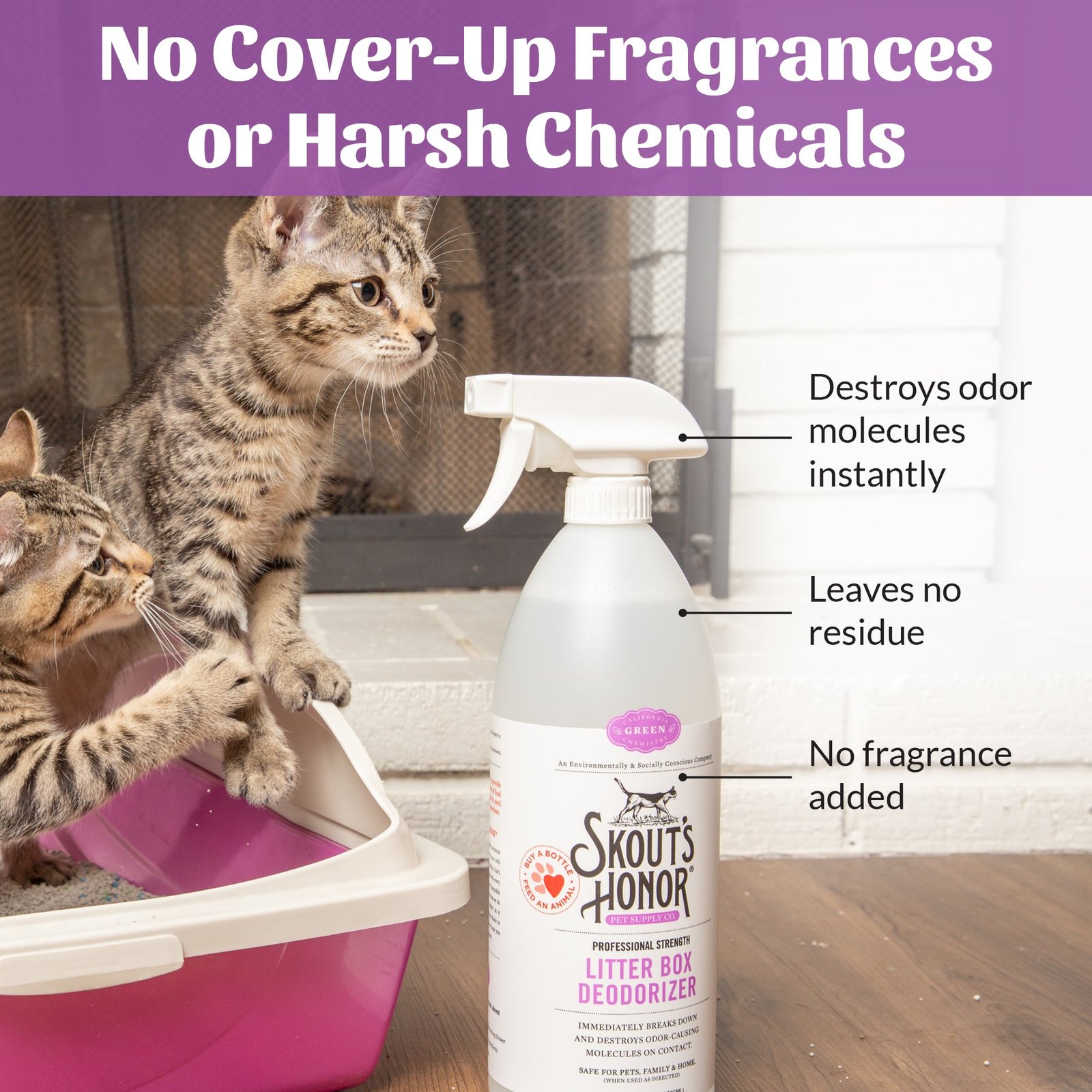
Many commercial deodorizers target litter box odors. These products often contain enzymes or activated charcoal. Enzymes break down odor-causing bacteria. Activated charcoal absorbs moisture and smells. Some come as powders, sprays, or crystals. Follow the instructions for best results.
Homemade Solutions
Simple homemade solutions can freshen the litter box area. Use white vinegar mixed with water to clean the box. This kills bacteria and removes odors. Place a small dish of activated charcoal nearby to absorb smells. Essential oils like lavender or eucalyptus can help, but use sparingly and avoid direct contact with cats.
Litter Box Placement
Proper litter box placement plays a key role in controlling odors. The right spot keeps smells from spreading through your home. It also makes cleaning easier and keeps your cat comfortable. Small changes in location can make a big difference.
Choosing Ventilated Areas
Place the litter box in a well-ventilated room. Good airflow helps move odors away quickly. Open windows or use fans to increase air circulation. Avoid corners with poor air movement. Fresh air reduces the buildup of unpleasant smells.
Avoiding Confined Spaces
Keep the litter box out of small, enclosed areas. Tight spaces trap odors and make them stronger. Avoid closets, cupboards, or rooms without windows. Choose open areas where smells can disperse naturally. This keeps the air fresher for everyone.
Using Air Purifiers Nearby
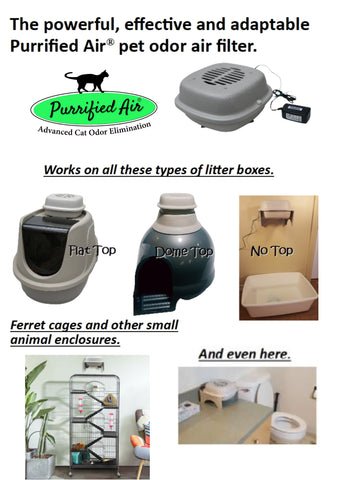
Air purifiers help reduce litter box smells effectively. Place a purifier close to the litter area. Choose models with activated carbon filters for best odor control. They capture airborne particles and neutralize bad smells. This creates a cleaner, more pleasant environment around the box.

Credit: www.amazon.com
Additional Tips To Reduce Smell
Reducing the smell from a cat litter box often needs more than just daily scooping. These extra steps help keep your home fresher for longer. Simple habits can make a big difference in controlling odors and improving the litter area.
Multiple Boxes For Multiple Cats
Each cat needs its own litter box to avoid crowding. Crowded boxes fill up faster and smell worse. Having enough boxes means cats use them properly. Place boxes in quiet, separate spots. This reduces stress and keeps odors down.
Regular Replacement Of Litter
Changing the litter fully is key to controlling smell. Over time, used litter traps odors that scooping can't remove. Replace the litter completely at least once a week. Wash the box with mild soap and water before refilling. This cleans away lingering smells and bacteria.
Maintaining Cat Hygiene
Clean cats mean cleaner litter boxes. Brush your cat regularly to reduce loose fur and dirt. Check paws for litter clumps after use. Wipe your cat’s rear gently if needed. Healthy cats produce less smelly waste. Keep their diet balanced to improve waste quality.
Frequently Asked Questions
How Often Should I Clean The Cat Litter Box?
Clean the litter box daily by scooping waste. Fully change litter and wash the box weekly. Regular cleaning prevents odors and keeps your cat healthy.
What Type Of Litter Controls Odor Best?
Clumping clay litter or silica gel crystals effectively control odor. Natural options like pine or corn litters also absorb smells well. Choose a litter that suits your cat's preference.
Can Baking Soda Help Reduce Litter Box Smell?
Yes, sprinkling baking soda under the litter neutralizes odors. It absorbs moisture and controls ammonia smell. Use it sparingly to avoid irritation to your cat.
Where Is The Best Place To Keep The Litter Box?
Place the litter box in a well-ventilated, low-traffic area. Avoid humid or enclosed spaces to reduce odor buildup. Proper placement helps keep smells away from living areas.
Conclusion
Keeping your cat’s litter box fresh is easier than you think. Clean it often and use good-quality litter. Ventilate the area well to stop smells from building up. Baking soda can help absorb odors naturally. Remember, small steps add up to a cleaner, fresher home.
Your cat will appreciate a tidy space too. A fresh litter box means a happier pet and a happier you. Simple care makes a big difference every day.