Are you a proud parent of two furry friends and wondering if you need two litter boxes? You're not alone.
Many cat owners face this dilemma, and it's crucial to get it right for a harmonious home. The happiness and comfort of your cats depend on it. Imagine walking into a clean, fresh-smelling room instead of dealing with constant mess and stress.
By understanding your cats' needs, you can create a peaceful environment for them and for yourself. Keep reading to discover why having the right number of litter boxes can transform your living space and enhance your cats' well-being.

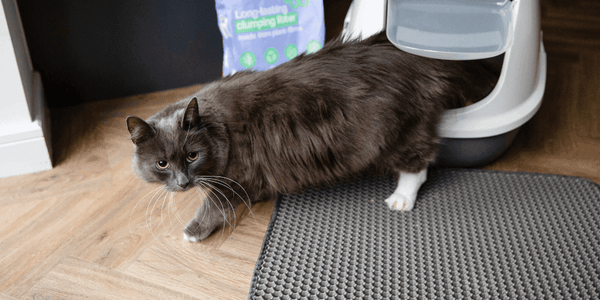
Credit: www.amazon.com
Number Of Boxes Per Cat
Determining the right number of litter boxes for your cats might seem simple, but it plays a crucial role in their comfort and hygiene. The general rule is not just about matching boxes to cats but also considering their behavior and personalities. Understanding how many boxes you need can prevent unwanted messes and keep your feline friends happy.
General Recommendations
The common advice is to have one litter box per cat, plus one extra. So, for two cats, you should ideally have three litter boxes. This setup gives your cats options and reduces the chance of territorial disputes over a single box.
Think about the size and layout of your home as well. If your cats live in different areas, placing boxes in multiple rooms can encourage regular use. You want to make it easy for them to access a box whenever they need it.
Behavioral Reasons
Some cats are very particular about privacy and may avoid sharing a box. In my experience, one of my cats would refuse to use a box that the other recently used. Having separate boxes helped eliminate stress and accidents.
Also, cats may mark their territory or become anxious if they feel crowded. Multiple litter boxes help reduce these behaviors by giving each cat a personal space. Have you noticed your cats fighting over the litter box or avoiding it altogether? Adding an extra box might solve this issue.
Benefits Of Multiple Boxes
Having multiple litter boxes for two cats brings many benefits. It helps create a peaceful and healthy environment for your pets. Cats feel more comfortable when they have their own space. This simple setup can improve their behavior and well-being.
Reducing Territorial Disputes
Cats like to have control over their own space. Sharing one litter box can cause fights or stress. Two boxes reduce competition and help each cat feel safe. This lowers the chance of aggressive behavior. Each cat can use its box without feeling threatened.
Maintaining Cleanliness
More boxes mean less mess. Two cats produce more waste than one. One box fills up fast, causing odors and discomfort. Multiple boxes stay cleaner longer. This keeps your home smelling fresh. Cats prefer a clean place to do their business. Clean boxes encourage them to use the litter properly.
Preventing Health Issues
Using the same litter box can spread germs and infections. Multiple boxes reduce this risk. Cats with medical problems need special attention. Having separate boxes helps monitor each cat’s health. Early signs of illness are easier to spot. Healthy cats stay happy and active.
Placement Tips
Placing litter boxes correctly can make a big difference in how comfortable your cats feel using them. Thoughtful placement helps reduce stress and prevents accidents outside the box. Let’s look at some smart placement tips that work well for two cats sharing their litter boxes.
Avoiding High-traffic Areas
Choose spots where foot traffic is low. Cats prefer privacy and can be easily startled in busy areas. Placing litter boxes near noisy appliances or frequently used hallways can discourage your cats from using them.
Think about your daily routine. Are there quiet corners away from where you watch TV, cook, or entertain guests? Those places tend to work well. I once had a litter box near my kitchen, and my shy cat avoided it completely until I moved it to a calmer spot.
Separate Quiet Spots
Each cat needs its own space to feel safe when using the litter box. Put their boxes in different quiet areas around your home. This separation helps prevent territorial disputes and makes your cats more likely to use their boxes consistently.
Sometimes, even placing boxes in different rooms can help if your cats have different personalities. One might like a sunlit corner while the other prefers a shaded nook. Have you noticed your cats’ favorite spots? Use those as clues for litter box placement.

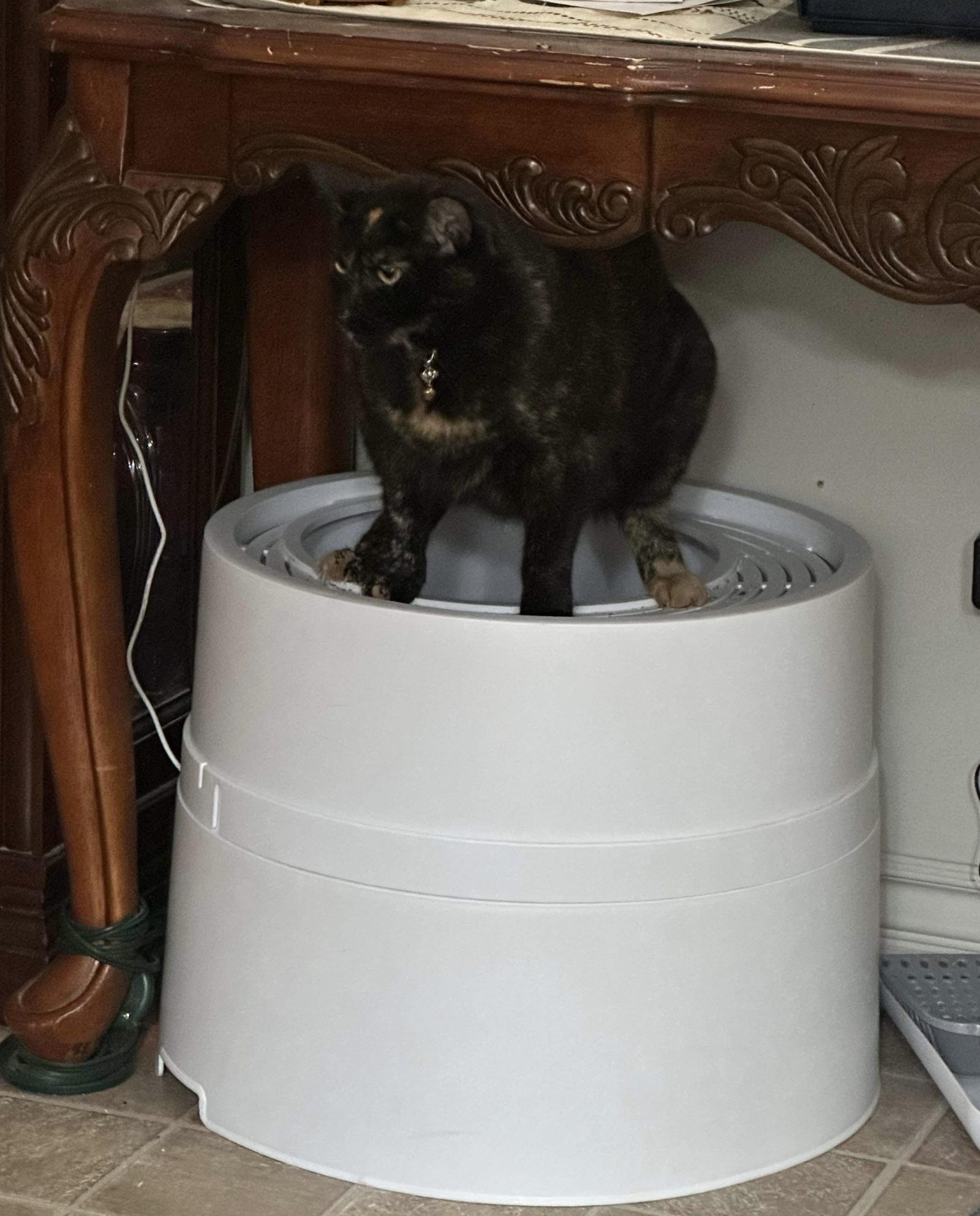
Credit: neakasa.com
Types Of Litter Boxes
Choosing the right litter box affects your cats' comfort and hygiene. Different types suit different needs and spaces. Some cats prefer open spaces, while others like privacy. Technology also offers new options for easier cleaning. Understanding these types helps decide how many litter boxes are best for your cats.
Open Vs Covered
Open litter boxes have no walls or lids. They allow better air circulation and easy access. Cats can see around, which some prefer. These boxes are simple to clean and usually cheaper.
Covered litter boxes have a lid or walls around them. They offer privacy and help contain odors. Some cats feel safer inside a covered space. Cleaning can be harder because you must remove the cover. Covered boxes may trap smells if not cleaned often.
Self-cleaning Options
Self-cleaning litter boxes use sensors and motors to remove waste automatically. They reduce the need for daily scooping. These boxes keep the area cleaner and fresher.
Some models separate waste into a sealed container for easy disposal. They work best with certain types of litter. Self-cleaning boxes cost more but save time and effort. Not all cats adapt well to these high-tech boxes. Watch your cats' reactions before switching.
Cleaning And Maintenance
Cleaning and maintenance are key to keeping litter boxes fresh and cats happy. Proper care prevents odors and health problems. It also encourages cats to use their boxes regularly. Regular cleaning helps avoid litter box issues between two cats.
Frequency Of Cleaning
Clean litter boxes daily to remove waste and clumps. Scoop out solids and urine clumps every day. A full clean with fresh litter should happen once a week. Replace all litter and wash the box with mild soap. This routine keeps the box hygienic and odor-free.
Two cats need more frequent cleaning than one. Waste builds up faster. Monitor the boxes and clean more often if needed. Clean boxes invite cats to use them without stress.
Litter Type Choices
Choose a litter that clumps well for easy scooping. Clumping litter helps remove waste quickly and keeps the box cleaner. Unscented litter often suits cats best, as strong smells can deter them.
Consider dust-free litter to reduce mess and allergies. Some litters control odor better and last longer. Experiment to find what your cats prefer and what cleans best.
Using two litter boxes allows different litter types. This helps find the best option for each cat’s comfort. Clean, fresh litter encourages proper use and reduces accidents.
Credit: www.businessinsider.com
Special Considerations
Special considerations come into play when deciding how many litter boxes your cats need. It’s not just about the number of cats but also their unique needs and behaviors. Paying attention to these details helps keep your home clean and your cats happy.
Senior Cats
Older cats often face mobility challenges or health issues that affect their litter box habits. You might notice a senior cat avoiding a litter box that’s hard to climb into or located in a noisy area. Placing an extra, easily accessible litter box on each floor of your home can reduce accidents and stress.
Think about your senior cat’s comfort. Do they struggle with jumping into traditional boxes? Low-entry litter boxes can be a lifesaver. Also, keeping boxes clean and odor-free encourages regular use, which is crucial for aging cats prone to urinary problems.
Multi-cat Households Beyond Two
When you have more than two cats, the rule of thumb isn’t just “two boxes.” It’s often recommended to have one litter box per cat plus one extra. This prevents territorial disputes and overcrowding.
Notice how your cats interact around their boxes. Do any cats seem to avoid certain boxes or show signs of stress? You might need to add more boxes in different locations to give each cat a safe and private spot.
- Spread out litter boxes across your home.
- Use different types of litter to suit individual preferences.
- Observe and adjust based on your cats’ behavior.
Have you ever caught one cat waiting outside another’s litter box? That’s a clear sign more boxes are needed. Your cats’ peace of mind often depends on these small but important adjustments.
Frequently Asked Questions
Do Two Cats Need Separate Litter Boxes?
Yes, two cats should have at least two litter boxes. This prevents territorial disputes and keeps hygiene optimal. Separate boxes reduce stress and encourage proper litter use.
Can One Litter Box Serve Two Cats?
One litter box for two cats is not ideal. It can cause overcrowding and increase accidents. Multiple boxes ensure comfort and cleanliness for both cats.
How Many Litter Boxes For Multiple Cats?
Experts recommend one litter box per cat, plus one extra. For two cats, three boxes are best. This setup prevents conflicts and maintains litter box hygiene.
Does Sharing Litter Boxes Cause Behavioral Issues?
Sharing litter boxes can lead to stress and marking problems. Cats prefer their own space to avoid conflicts. Separate boxes help maintain peace and good litter habits.
Conclusion
Two cats usually need two litter boxes to stay happy and healthy. Sharing one box can cause stress and mess. Each cat wants its own space for comfort and privacy. Placing boxes in quiet, easy-to-reach spots helps cats use them regularly.
Clean boxes prevent odors and keep cats from avoiding them. Giving each cat a box supports good habits and reduces problems. Remember, happy cats mean a peaceful home. So, two cats and two litter boxes make sense for everyone.