Have you ever wondered whether your cat is meant to eat catnip or just enjoy its smell? You’ve probably seen your furry friend roll around, purr, or even nibble on it, but what’s really safe and natural for them?
Understanding how catnip affects your cat can help you keep them happy and healthy. Keep reading to discover the surprising truth about catnip and how you can use it the right way for your feline friend.
Catnip And Cats
Catnip is a favorite for many cats and pet owners. It is a plant that triggers unique reactions in cats. Understanding catnip helps you know if cats should eat it or just enjoy the smell. This section explores what catnip is and how cats react to it.
What Is Catnip?
Catnip, also called Nepeta cataria, is a herb in the mint family. It grows wild in many parts of the world. The plant contains a chemical called nepetalactone. This chemical affects cats’ brains and senses. Catnip comes as fresh leaves, dried leaves, or sprays.
How Cats React To Catnip
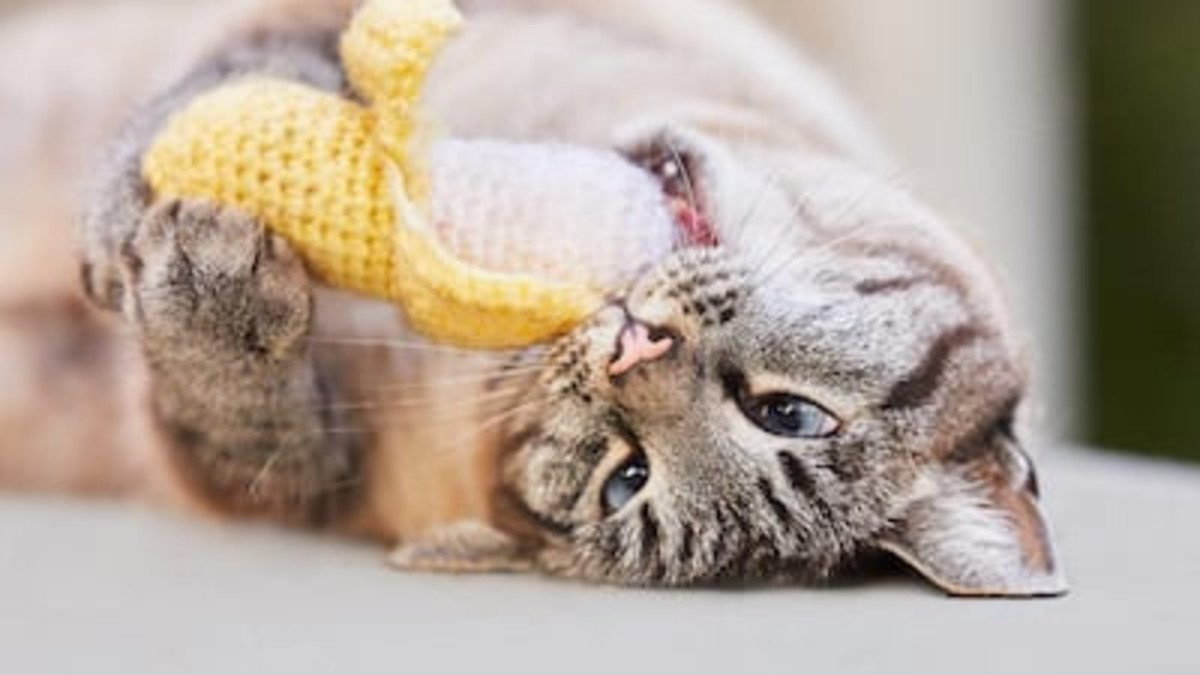
Not all cats react to catnip, but many do. The reaction starts when cats smell nepetalactone. It can make cats:
- Roll on the floor
- Rub their faces on the catnip
- Become playful and energetic
- Meow or purr more
Some cats even chew or eat the catnip leaves. Eating catnip is safe in small amounts. It can calm some cats instead of exciting them. The effects usually last about 10 minutes. After that, cats lose interest until some time passes.

Credit: www.whiskas.com.ph
Smelling Catnip
Smelling catnip is a unique experience for cats that often sparks curiosity among pet owners. Unlike eating, the scent alone can trigger a playful and euphoric reaction in many cats. Understanding how this works can help you decide the best way to introduce catnip to your furry friend.
Effects Of Catnip Scent
The scent of catnip contains a compound called nepetalactone, which attaches to receptors inside a cat’s nose. This interaction stimulates sensory neurons that affect areas of the brain responsible for behavior and emotions.
Most cats respond by rubbing, rolling, purring, or becoming more playful. Interestingly, the effect usually lasts about 10 to 15 minutes before the cat loses interest. After this, there’s a refractory period when the cat won’t respond to the scent again for a while.
Have you noticed your cat suddenly become more energetic and playful after smelling catnip? That’s the scent at work, creating a temporary but noticeable mood shift.
Why Cats Are Attracted To Smell
Not all cats react to catnip, but many find its smell irresistible. This attraction is genetic, meaning some cats don’t have the receptors to detect nepetalactone at all.
Cats are naturally curious about new scents, but catnip’s aroma mimics pheromones that stimulate their senses. It’s like a natural mood enhancer, encouraging play and reducing stress.
- Smelling catnip can be safer than eating it because it avoids potential digestive upset.
- It offers a way to engage your cat’s senses and encourage physical activity.
- Using catnip-scented toys or sprays lets you control the amount your cat experiences.
Does your cat prefer sniffing catnip over eating it? Observing their reaction can guide you to the best way to use catnip for fun and enrichment.
Eating Catnip
Many cat owners wonder if their feline friends should eat catnip or just enjoy its scent. While most cats are attracted to catnip because of its smell, some do nibble on it. Understanding the effects of eating catnip can help you decide how to offer it safely and beneficially to your cat.
Is It Safe To Eat Catnip?
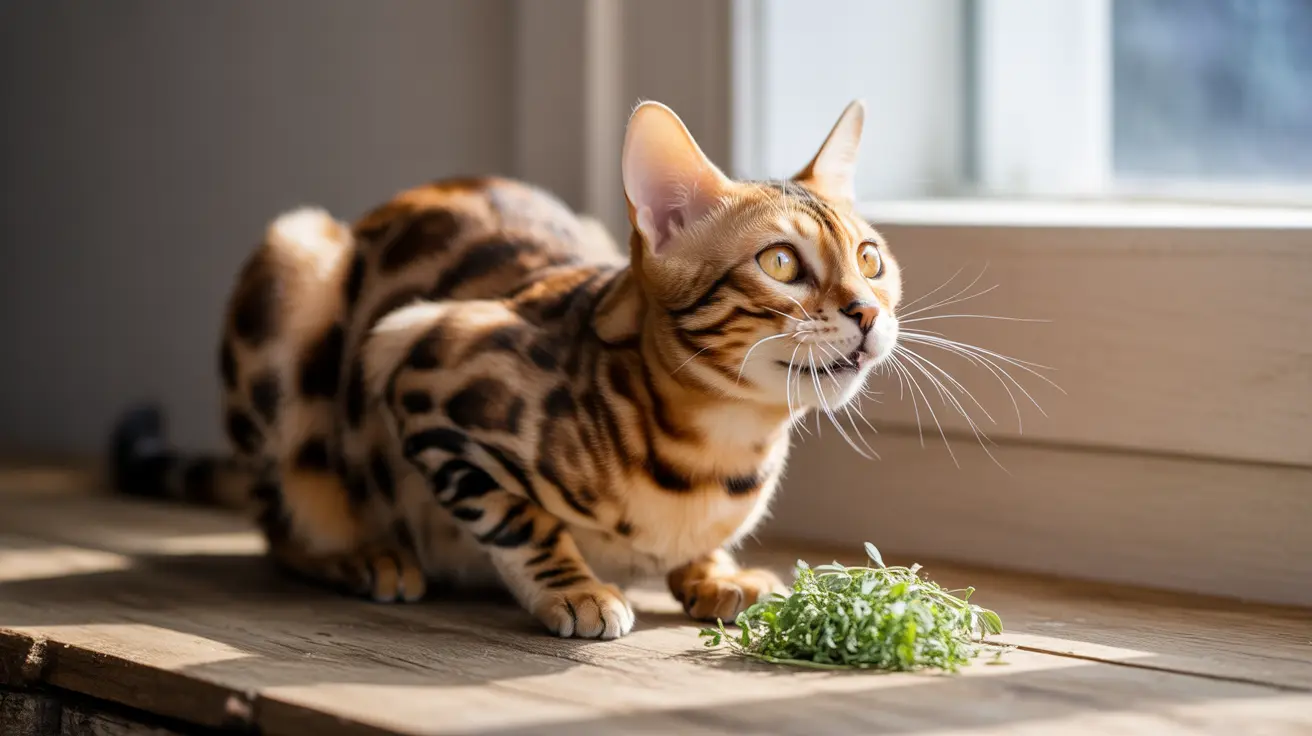
Yes, catnip is generally safe for cats to eat in small amounts. It’s a natural herb and non-toxic to felines. However, like any treat, moderation is key to avoid stomach upset.
Some cats might eat catnip out of curiosity or enjoyment, but overeating can cause mild digestive issues such as vomiting or diarrhea. Observing your cat’s reaction after eating catnip helps you gauge how much is safe.
Benefits Of Consuming Catnip
Eating catnip can provide several benefits for your cat beyond the playful effects of smelling it. The herb contains compounds that may help soothe mild stomach discomfort and relieve stress.
Some cats appear calmer after nibbling catnip, which can be useful during stressful situations like vet visits or travel. Offering catnip as a treat can also encourage your cat to chew and engage their senses in a healthy way.
Possible Risks Of Eating Catnip
While catnip is safe, eating too much can lead to stomach issues such as vomiting or diarrhea. Some cats might become overly excited or hyperactive, which can sometimes lead to aggressive behavior.
It’s important to monitor how your cat reacts and limit their catnip intake to prevent any negative effects. If your cat has any underlying health problems, consult your vet before giving catnip to ensure it won’t interfere with their condition or medications.
Credit: www.petscare.com
Expert Opinions
Experts have studied how cats react to catnip in different ways. Their opinions help us understand if cats should eat catnip or just smell it. Insights from veterinarians and behavioral experts offer useful advice.
Veterinarians’ Advice
Veterinarians say catnip is safe for most cats in small amounts. Eating catnip rarely causes harm, but too much can upset a cat’s stomach. They recommend letting cats sniff catnip more than eat it. Sniffing stimulates their senses without risking digestive issues.
Some cats may not respond to catnip at all. Vets explain this is normal and linked to genetics. They advise pet owners to watch their cat’s reaction carefully. If a cat shows signs of discomfort, stop giving catnip immediately.
Behavioral Expert Insights
Behavioral experts observe how catnip affects cat behavior. Sniffing catnip triggers playful and happy actions. Experts note that eating catnip can cause mild sedation or excitement, depending on the cat.
Experts highlight that catnip’s effect is short-lived, usually lasting 10 to 15 minutes. They suggest offering catnip as a fun treat rather than a regular snack. This keeps cats interested and avoids overexposure.
Experts also point out that cats use catnip to relieve stress. Smelling catnip helps calm anxious cats. Eating it does not provide extra calming benefits and might cause unwanted side effects.
How To Offer Catnip
Offering catnip to your feline friend can be a fun and enriching experience. Knowing the right way to present catnip helps your cat enjoy its effects safely. Cats react differently to catnip; some love to smell it, while others prefer to chew or eat it. Understanding how to offer catnip enhances your cat’s playtime and relaxation.
Best Ways To Use Catnip
- Sprinkle dried catnip on scratching posts or toys for instant interest.
- Use catnip-filled toys to encourage playful behavior and exercise.
- Rub fresh catnip leaves on bedding to create a cozy spot your cat will love.
- Offer fresh catnip directly so your cat can chew or sniff it as desired.
- Spray catnip spray on favorite play areas to attract your cat’s attention.
Dosage And Frequency
Give catnip in small amounts to avoid overstimulation. A pinch of dried catnip is enough for most cats. Fresh catnip leaves can be offered occasionally. Limit catnip sessions to about 10-15 minutes per day. Let your cat rest between sessions to keep the effects enjoyable. Overuse may cause mild digestive upset or reduce interest in catnip.
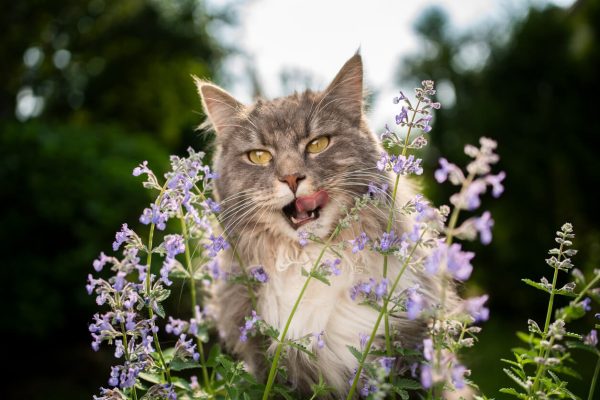
Credit: www.rover.com
Alternatives To Catnip
Not all cats react to catnip the same way. Some cats love the smell but don’t chew or eat it. Others may enjoy nibbling on catnip leaves. For cats that don’t respond or for owners who want variety, there are good alternatives. These options can provide fun and stimulation without relying on catnip alone.
Other Plants Cats Enjoy
Cats often like other plants besides catnip. These plants offer similar sensory experiences and are usually safe for cats.
- Silver Vine:This plant can excite cats more than catnip. It has two compounds that attract cats.
- Valerian Root:Known to relax some cats, it has a strong smell cats find interesting.
- Tatarian Honeysuckle:The wood and leaves attract many cats who ignore catnip.
- Cat Thyme:Despite its name, it’s not related to thyme but is loved by cats for its scent.
Safe Options For Cat Enrichment
Besides plants, many toys and activities keep cats happy and active. Enrichment helps reduce boredom and stress.
- Interactive Toys:Balls, feather wands, and laser pointers encourage play and exercise.
- Scratching Posts:Help cats stretch and keep their claws healthy.
- Puzzle Feeders:Stimulate a cat’s mind and make mealtime fun.
- Boxes and Paper Bags:Simple items cats love to hide and play in.
Frequently Asked Questions
Can Cats Eat Catnip Safely Or Just Smell It?
Cats can safely eat catnip in small amounts, but they usually prefer smelling it. Eating catnip may cause mild digestive upset. Most cats respond to the scent, which triggers playful behavior. Offering catnip as a treat or toy is beneficial and non-toxic.
What Happens When Cats Eat Catnip Leaves?
When cats eat catnip leaves, they may become mildly sedated or hyperactive. Eating catnip can cause temporary digestive upset in some cats. The active compound, nepetalactone, affects their brain through smell more than ingestion. Eating catnip is generally safe in moderation.
Why Do Cats React More To Smelling Than Eating Catnip?
Cats react more to smelling catnip because nepetalactone activates their olfactory neurons. The scent triggers a behavioral response, such as rolling or purring. When eaten, the compound’s effect is less potent, leading to weaker reactions. Smelling catnip is the primary way cats enjoy it.
How Much Catnip Should I Give My Cat To Eat?
Limit catnip consumption to small amounts, like a pinch or a few leaves. Too much catnip can cause mild stomach upset or vomiting. Use catnip mainly as a scent stimulant or occasional treat. Always observe your cat’s reaction to avoid overconsumption.
Conclusion
Cats love catnip in many ways. Some eat it. Others prefer to smell it. Both are safe for your feline friend. Eating catnip may cause mild reactions like drooling. Smelling it often leads to playful behavior. It's a personal choice for each cat.
Try offering both forms. Observe your cat's preference. This will ensure your cat enjoys the experience. Always introduce catnip in moderation. Too much can cause minor digestive issues. Watching your cat's reaction can be entertaining. Remember, each cat is unique.
Enjoy discovering what makes your cat purr. Your furry friend's happiness is what matters most.